





What's Happening?
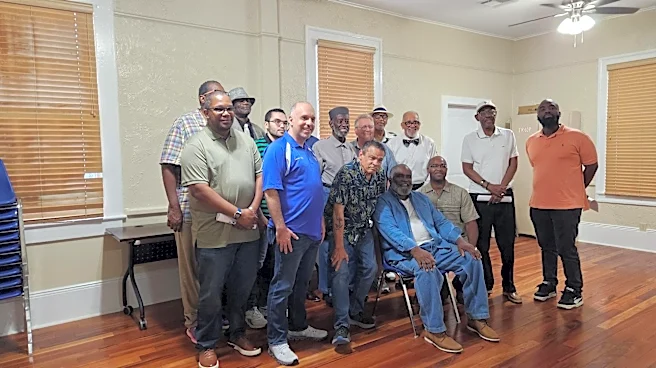
A coalition of organizations and parents convened in Nashville for a public forum aimed at assisting Tennessee families whose children have been removed from their homes by the state Department of Children’s Services (DCS). The event highlighted what
organizers described as a “systemic problem” concerning children being placed in foster care. Attorneys, advocates, and affected families shared insights on navigating the DCS system and the process of reuniting children with their parents. Attorney Courtney Teasley, who represented a Georgia couple whose five children were removed by DCS after a 2023 traffic stop in Coffee County, noted the normalization of this process. The children's mother was found with marijuana and a gun, leading to the children's separation from their parents for months. Sheryl Huff, president of the Middle Tennessee National Action Network, which co-hosted the event, shared her experience fostering the Georgia couple's children and emphasized that many parents lack understanding of the DCS process and their legal rights. The forum aimed to provide much-needed guidance and support to families facing similar situations.
Why It's Important?
This public discussion underscores significant concerns regarding the operations and impact of the Tennessee Department of Children’s Services on families. The forum brings to light the emotional and legal complexities parents face when their children are removed, often without a clear understanding of their rights or the procedural steps required for reunification. The involvement of legal professionals and advocacy groups highlights a perceived gap in support and information for affected families, suggesting that the current system may be difficult to navigate for those without legal expertise. The "systemic problem" described by organizers indicates a broader issue that could affect numerous families across Tennessee, potentially leading to prolonged family separations and psychological trauma for children and parents alike. Addressing these challenges is crucial for ensuring due process, protecting family units, and fostering trust between state agencies and the communities they serve.
What's Next?
The forum's organizers, including the Middle Tennessee National Action Network, are likely to continue their advocacy efforts, potentially leading to further public discussions, workshops, or legal aid initiatives to support families dealing with DCS. The increased public awareness generated by such events could prompt greater scrutiny of DCS policies and practices from lawmakers and civil society groups. Families affected by child removals may find improved access to legal counsel and community support networks. There is a possibility that these discussions could lead to calls for legislative reforms aimed at clarifying parental rights, streamlining the reunification process, and enhancing transparency within the DCS system. The ongoing dialogue between affected families, advocates, and legal experts will be critical in shaping future responses to these systemic issues.
Beyond the Headlines
The issues raised at the Nashville forum extend beyond individual cases, touching upon fundamental questions of state intervention in family life, parental rights, and the welfare of children. The perceived "normalization" of child removals, as noted by attorney Courtney Teasley, suggests a deeper societal acceptance or resignation to a system that can be profoundly disruptive. This raises ethical considerations about the balance between child protection and family preservation, and whether current practices adequately prioritize the latter. The trauma experienced by children separated from their parents, even when placed in foster care, highlights the long-term psychological and developmental impacts of such interventions. Furthermore, the forum implicitly questions the adequacy of resources and training for DCS caseworkers, as well as the legal framework governing child welfare in Tennessee. Addressing these deeper implications requires a comprehensive re-evaluation of policies, increased public education, and a commitment to supporting families through preventative measures rather than solely reactive interventions.