






What's Happening?
A potential 'super El Niño' event, combined with ongoing conflict in Iran, is raising concerns about global food security. Climate scientists predict a strong El Niño could develop later this year, with U.S. meteorologists estimating a one-in-three chance
of a significant weather event forming between October and December. European climate models suggest an even higher probability of a very strong El Niño. This natural phenomenon, characterized by the warming of sea surface temperatures in the tropical eastern Pacific, could exacerbate existing food supply issues. The Iran conflict has already strained the supply of crucial fertilizer products, further impacting food production. The United Nations World Food Programme (WFP) has warned that the number of food-insecure people worldwide could rise significantly if the conflict persists and oil prices remain high.
Why It's Important?
The potential combination of a super El Niño and the Iran conflict poses a significant threat to global food prices and availability. El Niño events can disrupt weather patterns, affecting agricultural productivity in key regions. This, coupled with the ongoing conflict in Iran, which impacts fertilizer supply, could lead to increased food prices and heightened food insecurity. The WFP estimates that the number of people facing acute hunger could increase by 45 million if these conditions persist. This situation highlights the vulnerability of the global food system to both climate and geopolitical factors, emphasizing the need for resilient agricultural practices and diversified supply chains.
What's Next?
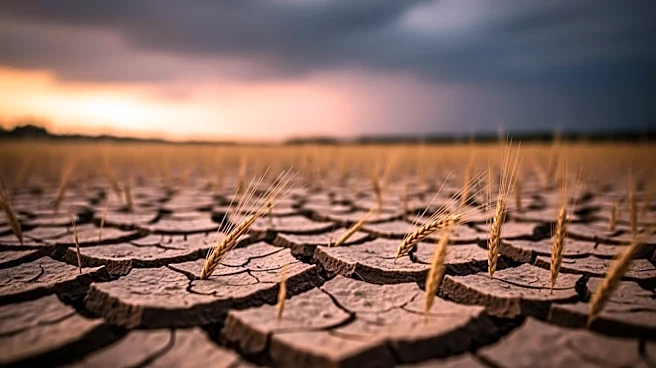
If a super El Niño develops, it could lead to extreme weather conditions, such as droughts and floods, in various parts of the world, further impacting food production. Governments and international organizations may need to implement measures to mitigate the effects on food security, such as increasing support for affected regions and investing in climate-resilient agriculture. The ongoing Iran conflict will also require diplomatic efforts to stabilize the region and ensure the continued supply of essential agricultural inputs. Monitoring these developments will be crucial for stakeholders in the food and agriculture sectors.