








What's Happening?
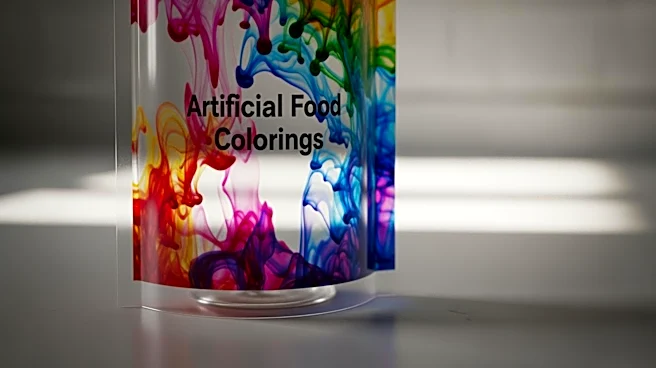
Consumer Reports has raised concerns about a new FDA policy that could make food labels claiming 'no artificial colors' misleading. The FDA has redefined what constitutes artificial colors, now excluding certain dyes that were previously considered artificial.
This change means that products containing synthetic additives like titanium dioxide could still be labeled as having 'no artificial colors.' Consumer advocates worry that this will confuse consumers and complicate their decision-making process when shopping for food. Several states, including California and West Virginia, are taking action by banning certain synthetic dyes in food products.
Why It's Important?
The FDA's policy change on food labeling has significant implications for consumer trust and transparency in the food industry. As consumers increasingly seek products free from artificial additives, misleading labels could undermine their ability to make informed choices. This issue highlights the need for clear and accurate labeling standards to protect consumer interests and ensure public health. The actions taken by states like California and West Virginia reflect growing concern over food safety and the potential health risks associated with synthetic dyes, prompting legislative measures to address these issues.