



What's Happening?
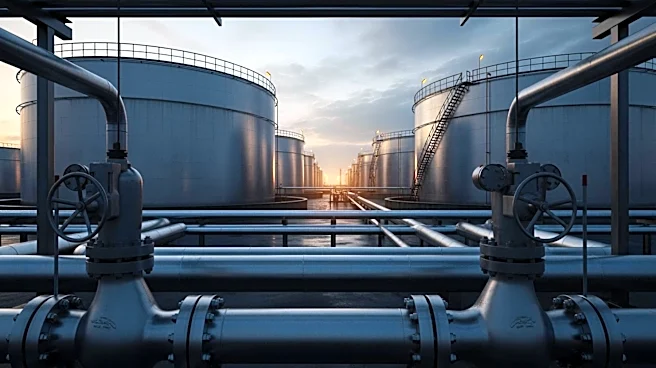
The ongoing war in Iran has led to significant economic disruptions across the Global South, particularly affecting countries in Africa and Asia. The conflict has resulted in a blockade in the Strait of Hormuz, a crucial waterway for international trade,
severely hampering shipments of oil, gas, fertilizer, food, and medicines. This has caused currencies to depreciate, inflation to spike, and unemployment to rise in these regions. In Egypt, the government has ordered businesses to close early to conserve energy, leading to income loss and unemployment. Similarly, in Kenya, transport costs have increased due to rising fuel prices, impacting household budgets. The war's ripple effects are also felt in Southeast Asia, where energy conservation measures are reminiscent of pandemic restrictions.
Why It's Important?
The economic strain caused by the war in Iran is significant as it affects the livelihoods of millions in the Global South. Countries that rely heavily on imports from the Gulf are facing shortages and increased prices, which could lead to a food crisis. The U.N.'s World Food Programme estimates that 45 million people could fall into acute food insecurity if the conflict continues. Additionally, the disruption of remittances from Gulf workers further exacerbates economic instability in these regions. The situation highlights the interconnectedness of global economies and the vulnerability of developing nations to geopolitical conflicts.
What's Next?
If the conflict persists, the economic damage could last for nearly a year, with raised energy prices and continued shortages. Even if a peace deal is reached, recovery will be slow due to the damage to energy infrastructure. Countries like Somalia, already facing instability and drought, are particularly vulnerable to worsening food insecurity. The international community may need to step in with aid and support to mitigate the crisis. Monitoring the situation closely will be crucial for policymakers and humanitarian organizations.
Beyond the Headlines
The war in Iran underscores the fragility of global supply chains and the disproportionate impact of geopolitical conflicts on developing nations. It raises ethical questions about the responsibility of wealthier nations to support those affected by such crises. Long-term, the situation may prompt a reevaluation of energy dependency and encourage investment in alternative sources to reduce vulnerability to similar disruptions in the future.