
What's Happening?
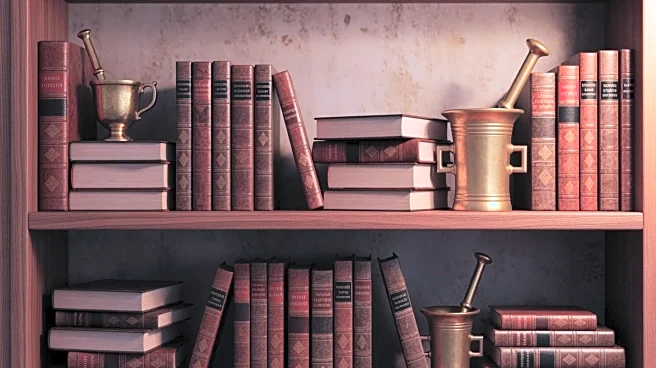
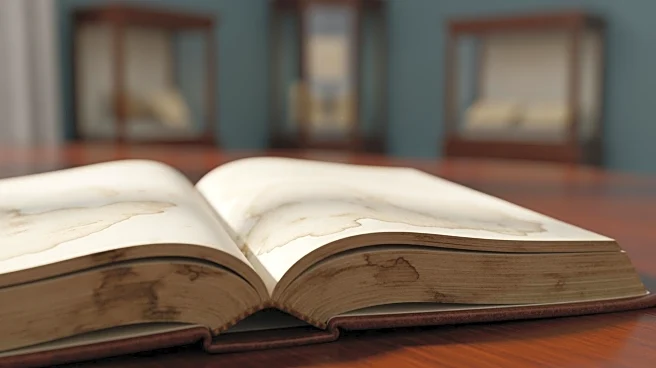
The Louvre Museum in Paris has confirmed that a water leak in November damaged a significant collection of historically important books located in the Mollien Wing, home to the Department of Egyptian Antiquities.
Deputy Administrator Francis Steinbock reported that 300 to 400 works from the late 19th and early 20th centuries were affected. While Steinbock downplayed the incident, stating that no unique heritage artifacts were lost, a report from La Tribune de l'Art contradicted this, claiming some book bindings were irreparably damaged. The leak, attributed to an old heating system valve error, is the latest in a series of mishaps at the museum, including a recent theft of crown jewels and structural concerns in another gallery.
Why It's Important?
The incident highlights ongoing issues with the Louvre's infrastructure and management priorities. The museum, a major cultural institution, faces scrutiny over its spending decisions, with critics pointing to a focus on art acquisitions and office renovations over necessary infrastructure improvements. This has raised concerns about the preservation of valuable collections and the museum's ability to safeguard its assets. The Louvre's decision to increase entrance fees for non-EU visitors by 45% to fund improvements underscores the financial pressures it faces. The situation reflects broader challenges in balancing cultural preservation with financial sustainability, impacting the museum's reputation and visitor experience.
What's Next?
The Louvre has announced an investigation into the water leak, with plans to replace the old piping system by September 2026. The museum's management is likely to face increased pressure to prioritize infrastructure and security improvements to prevent future incidents. The French Court of Auditors has already criticized the museum's spending priorities, which may lead to further scrutiny and potential policy changes. The outcome of the investigation and subsequent actions will be closely watched by stakeholders, including cultural preservationists and the international community, given the Louvre's status as a leading global museum.
Beyond the Headlines
The incident at the Louvre raises questions about the broader implications of cultural heritage management in major institutions. The balance between acquiring new art and maintaining existing collections is a critical issue, as is the allocation of resources for infrastructure versus administrative enhancements. This situation may prompt other museums to reassess their priorities and strategies to ensure the protection of their collections. Additionally, the Louvre's fee increase could influence visitor demographics and accessibility, potentially affecting its role as a cultural ambassador.