
What's Happening?
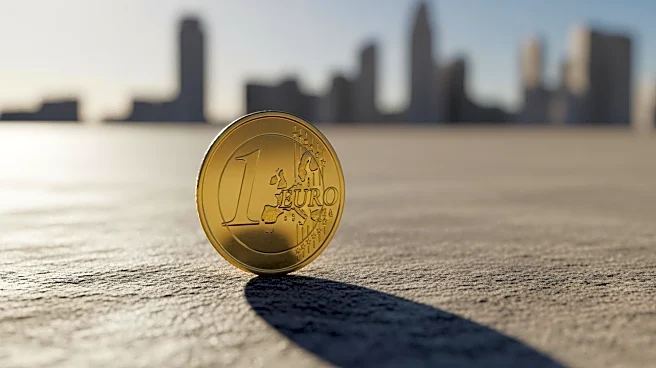
Bulgaria has officially adopted the euro, becoming the 21st member of the eurozone. This transition marks a significant milestone for Bulgaria, the European Union's poorest member, as it leapfrogs other
candidates like Poland and Hungary. The change has been met with mixed reactions; while some Bulgarians view it as a positive step towards economic integration, others express concerns over the loss of the national currency, the lev. The transition occurs amidst political instability, with the government recently losing a confidence vote and facing potential early elections.
Why It's Important?
Bulgaria's adoption of the euro is a critical development in its economic integration with the European Union. It signifies a commitment to aligning with EU economic standards and could enhance trade and investment opportunities. However, the transition also poses challenges, particularly for small businesses and rural populations who fear inflation and economic instability. The political turmoil surrounding the change highlights the complexities of implementing significant economic reforms in a divided political landscape.
What's Next?
In the coming months, Bulgaria will fully transition to the euro, with the lev no longer accepted after February. The government will need to address public concerns and ensure a smooth transition to prevent economic disruptions. Political leaders may face increased pressure to stabilize the government and address the economic challenges posed by the currency change. The success of this transition could influence other EU countries considering euro adoption.