





What's Happening?
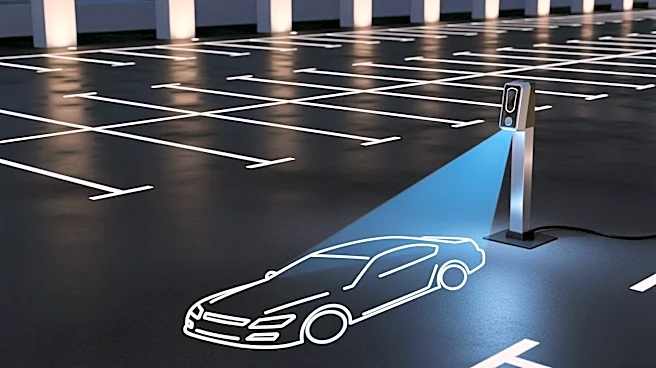
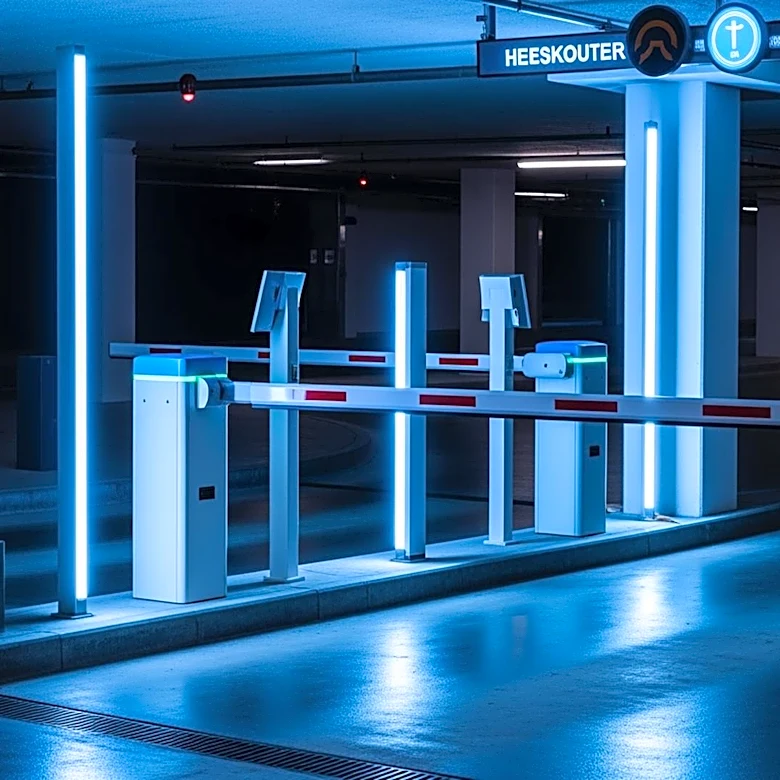
Cincinnati has removed traditional parking gates and ticket dispensers from its parking lots and garages, replacing them with modern license plate reading and digital payment technology. This change is part of a new parking management program covering
14 surface lots and garages, totaling approximately 10,000 spaces. The city partnered with Premium Parking to deploy GLIDEPARCS technology, which allows for a seamless entry and exit process. Drivers now begin their parking session as soon as they enter a lot, with license plate readers capturing their information. Payment is facilitated through touchless methods, including QR codes, reducing the need for cash transactions. This transition was partly driven by the COVID-19 pandemic, which increased demand for contactless payment options.
Why It's Important?
The adoption of this technology represents a significant shift in urban infrastructure, aligning with broader trends towards digital and touchless solutions. By eliminating traditional parking equipment, Cincinnati aims to improve the efficiency and user experience of parking facilities. This move is expected to reduce maintenance costs and environmental impact, as well as increase revenue through more reliable payment systems. The initiative reflects a growing trend among cities to modernize their parking systems, as seen in other locations like Boston and Virginia Beach, which have also transitioned to cloud-based technologies. This shift could lead to more data-driven management of urban spaces, influencing future city planning and transportation policies.
What's Next?
As Cincinnati continues to implement this new system, it may serve as a model for other cities looking to modernize their parking infrastructure. The city will likely monitor the system's performance and user feedback to make further improvements. Additionally, the success of this initiative could encourage further integration of digital technologies in other areas of urban management, such as traffic control and public transportation. Stakeholders, including city officials and technology providers, will need to collaborate to ensure the system's effectiveness and address any challenges that arise.