







What's Happening?
Two Eastpointe police officers are under investigation for allegedly misusing their access to Flock Safety search tools, leading to one officer receiving "severe discipline." The Eastpointe Police Department initiated internal investigations after USA
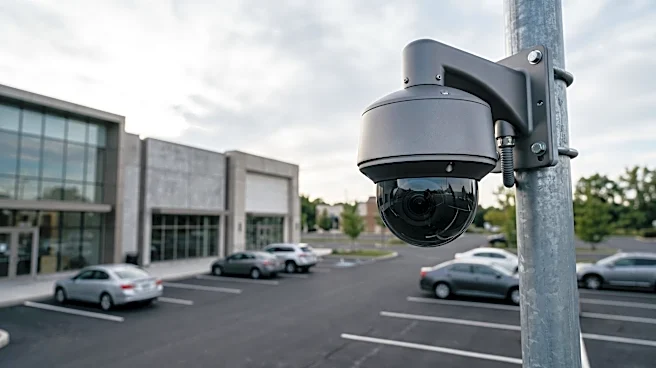
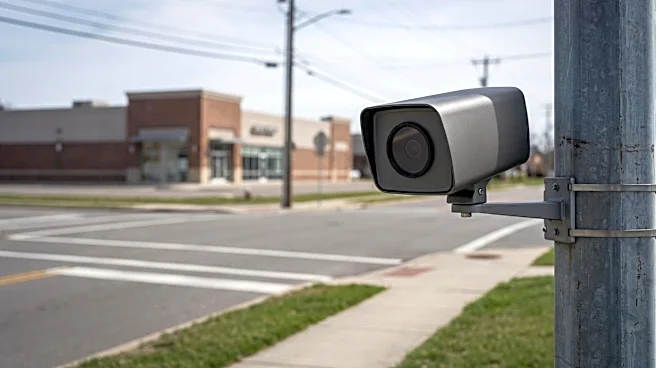
TODAY reporters flagged unusual search activity in audit logs made public through records requests. Police Chief Corey K. Haines stated that one employee misused Flock for personal purposes, while the other committed a policy violation. The officer involved in personal misuse received severe discipline, and the second case remains under investigation. Following these revelations and growing public concern, the Eastpointe City Council voted to terminate its contract with Flock Safety, an Atlanta-based surveillance technology company. Eastpointe Mayor Michael Klinefelt, who proposed the contract termination, cited resident concerns over the potential for misuse and the invasive nature of such surveillance technology. The city had installed 18 Flock cameras in 2024, and the contract, worth $127,100 over two years, had auto-renewed for an additional two years in March 2026.
Why It's Important?
This incident in Eastpointe highlights significant concerns regarding the oversight and potential misuse of advanced surveillance technologies, specifically automated license plate recognition (ALPR) systems, by law enforcement agencies. The termination of the city's contract with Flock Safety underscores a growing public and governmental apprehension about privacy and civil liberties in the face of expanding surveillance capabilities. The fact that officers allegedly used the system for personal reasons or in violation of policy erodes public trust in law enforcement and raises questions about accountability mechanisms for such powerful tools. This event could influence other municipalities to re-evaluate their contracts with surveillance technology providers and implement stricter policies, auditing procedures, and transparency measures. It also contributes to a broader national debate on the balance between public safety and individual privacy rights, particularly as ALPR systems collect vast amounts of data on citizens' movements. The outcome of such investigations and policy changes could set precedents for how surveillance technology is governed and utilized across the United States.
What's Next?
Following the termination of its contract with Flock Safety, the Eastpointe Police Department will continue to investigate crimes using other available law enforcement tools, without the assistance of Flock's ALPR system. The ongoing internal investigation into the second officer's policy violation will determine further disciplinary actions. The Eastpointe City Council may explore alternative public safety measures or consider other surveillance technologies with more stringent oversight and privacy safeguards. This incident is likely to prompt other cities and police departments across the U.S. to review their own policies and contracts regarding ALPR systems and other surveillance technologies, potentially leading to increased transparency requirements, stricter usage guidelines, and enhanced auditing protocols. Public advocacy groups will likely continue to push for greater accountability and limitations on the use of such technologies to protect civil liberties. The broader debate on balancing public safety with privacy concerns in the digital age will intensify, potentially leading to new legislative efforts at local and state levels.
Beyond the Headlines
The Eastpointe incident transcends a simple case of policy violation, touching upon the deeper societal implications of pervasive surveillance technology. The alleged misuse of ALPR data for personal reasons highlights the inherent risks when powerful tools designed for public safety are placed in human hands without adequate checks and balances. This raises ethical questions about the scope of police authority and the potential for mission creep, where technology initially intended for serious crime prevention can be repurposed for less critical or even inappropriate uses. The public's growing discomfort, as evidenced by resident concerns in Eastpointe, reflects a broader anxiety about a surveillance state and the erosion of privacy in everyday life. This situation could catalyze a more robust national conversation about data governance, the need for independent oversight of law enforcement technology, and the development of clear legal frameworks that define the boundaries of surveillance in a democratic society. It also underscores the importance of transparency and public engagement in decisions regarding the adoption of such technologies.