

What's Happening?
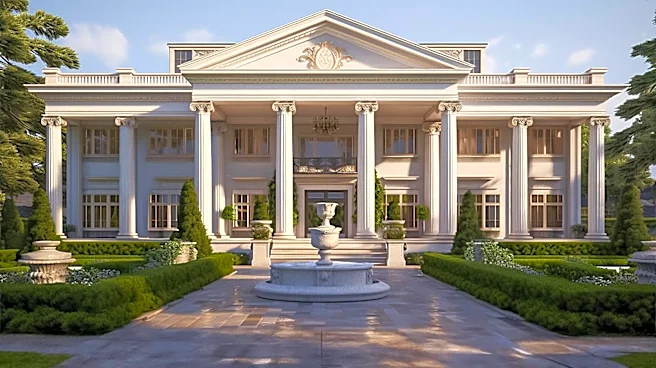
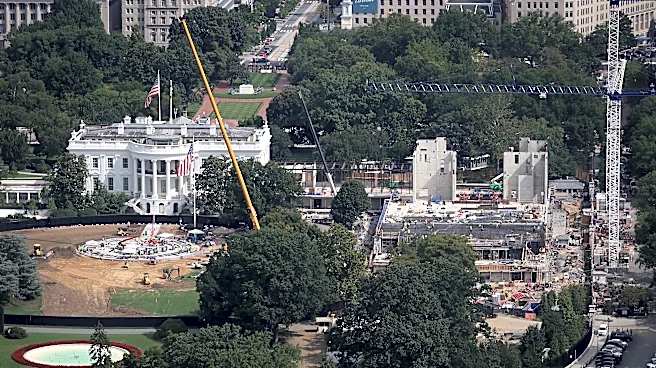
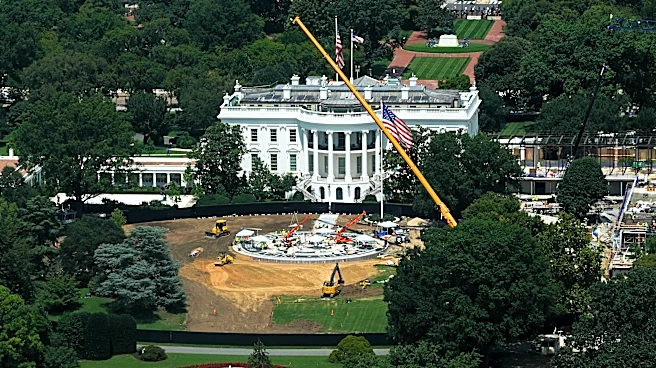
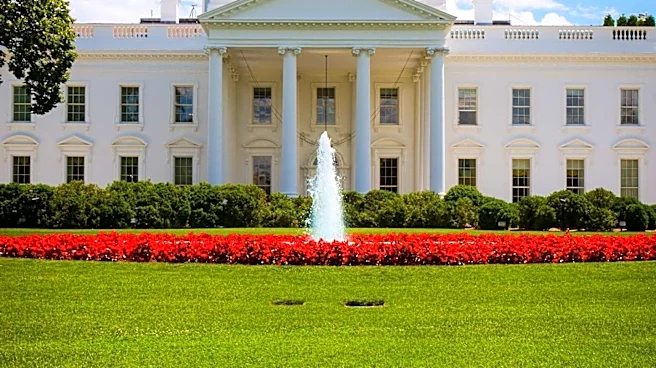
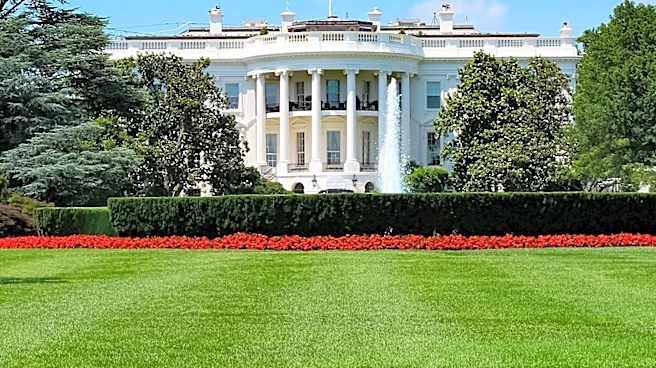
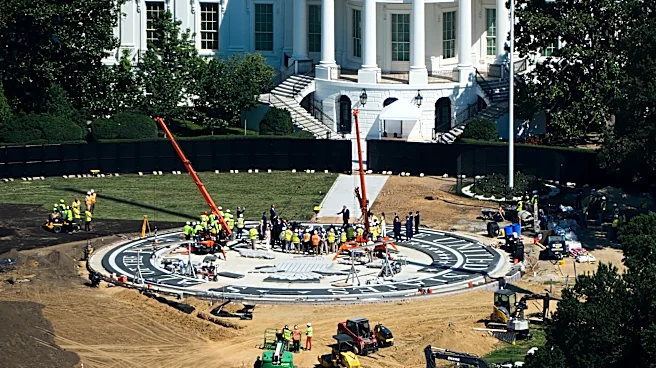
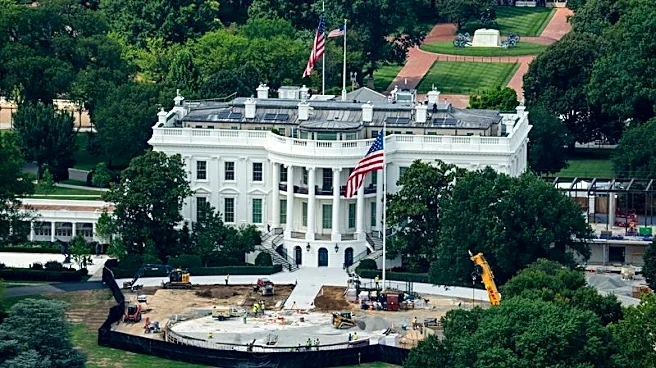
The Supreme Court, through Chief Justice John Roberts, has issued a temporary administrative stay allowing construction to continue on a new 90,000-square-foot White House ballroom. This decision overrides an order from Senior U.S. District Judge Richard
Leon, which was set to halt above-ground work on the project. Judge Leon's initial order, issued last fall, permitted underground construction for security features but prohibited most above-ground building. The U.S. Court of Appeals for the District of Columbia Circuit affirmed Leon's ruling on August 7 but granted the federal government 14 days to seek relief from the Supreme Court, keeping the order on hold. The Trump administration, through U.S. Solicitor General D. John Sauer, requested the Supreme Court's intervention on August 14, arguing that Leon's ruling would 'halt the ongoing construction of the integrated military complex, including a totally secure ballroom space, at the East Wing of the White House, which is vitally required by national security.' The project is currently reported to be 65% complete, with a 250-person crew working extensively to stay ahead of schedule.
Why It's Important?
This Supreme Court intervention is significant as it allows a major construction project at the White House to proceed without interruption, at least for the time being. The dispute highlights a clash between the executive branch's perceived national security needs and judicial oversight regarding construction projects on federal land. The Trump administration asserts that the ballroom is a 'vitally required' integrated military complex, emphasizing national security implications. Conversely, the National Trust for Historic Preservation, which initiated the legal challenge, argues that the project lacked necessary approvals and congressional authorization. The outcome of this case could set a precedent for the extent of presidential authority in undertaking significant construction or alteration projects on federal property, particularly those with national security justifications, and the role of judicial review in such matters. The ongoing construction, despite legal challenges, also raises questions about the effectiveness of judicial orders when projects are rapidly advanced.
What's Next?
Chief Justice John Roberts' administrative stay is temporary, indicating that the Supreme Court will take more time to consider the Trump administration’s request to pause Judge Leon’s order permanently. The brief, one-sentence stay did not specify when the justices might issue a more definitive ruling on the government's request. The National Trust for Historic Preservation, represented by Tad Heuer, has argued that the Trump administration is attempting to 'outrun judicial review' by accelerating construction, making it difficult for courts to intervene effectively. The Supreme Court will need to decide whether to uphold the lower court's ruling, which would halt above-ground construction, or side with the Trump administration, allowing the project to be completed. The legal arguments will likely focus on the administration's claim of national security necessity, the National Trust's standing to sue, and whether Congress has adequately authorized the project.
Beyond the Headlines
The legal battle over the White House ballroom construction extends beyond a simple building project, touching upon fundamental questions of executive power, congressional oversight, and the preservation of historic sites. The Trump administration's argument that the ballroom is an 'integrated military complex' and 'vitally required by national security' could broaden the interpretation of presidential authority in matters deemed critical for national defense, potentially allowing for expedited projects with less scrutiny. Conversely, the National Trust for Historic Preservation's challenge underscores the importance of established legal processes and congressional authorization for significant alterations to national landmarks. This case could influence future debates on the balance between national security imperatives and environmental or historical preservation concerns, particularly when executive actions are involved. The rapid pace of construction, despite ongoing legal challenges, also highlights a broader issue of how quickly government projects can advance, potentially preempting judicial review.