





What's Happening?
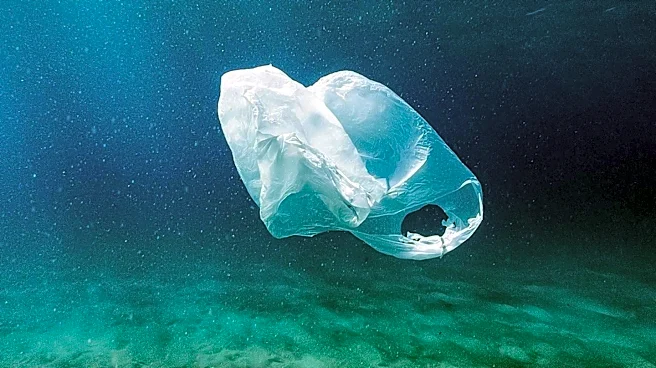
The Trump administration has rolled back several marine protections, opening up previously protected areas to commercial fishing. This includes nearly half a million square miles of the Pacific Islands Heritage Marine National Monument. Environmentalists
argue that these actions violate the Antiquities Act and threaten endangered species. The administration aims to boost seafood production by reducing environmental regulations, a move criticized for risking long-term damage to marine ecosystems. Legal challenges have been mounted against these changes, with federal judges siding with environmentalists in some cases.
Why It's Important?
The rollback of marine protections by the Trump administration could have significant ecological impacts, threatening biodiversity and the health of marine ecosystems. The decision to open protected areas to commercial fishing may lead to overfishing and habitat destruction, undermining decades of conservation efforts. While the administration argues that these changes will enhance the U.S. seafood industry, critics warn of long-term ecological and economic consequences. The legal battles surrounding these policy changes highlight the ongoing tension between economic interests and environmental conservation.
What's Next?
The legal challenges against the Trump administration's policy changes are ongoing, with environmental groups continuing to fight for the protection of marine habitats. The outcome of these cases could set important precedents for future conservation efforts and the interpretation of the Antiquities Act. Additionally, the administration's regulatory priorities may face further scrutiny and opposition from environmentalists and policymakers advocating for sustainable fishing practices. The balance between economic growth and environmental protection remains a contentious issue, with potential implications for U.S. environmental policy.