







What's Happening?
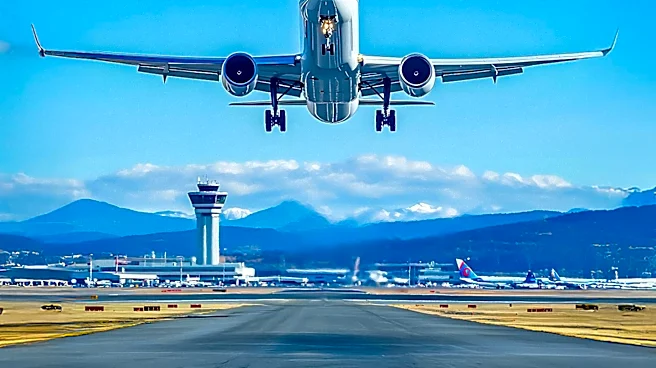
The Federal Aviation Administration (FAA) has announced a revision to the operating procedures at San Francisco International Airport (SFO), allowing for an increase in the number of aircraft landings. This change, effective Wednesday, introduces staggered
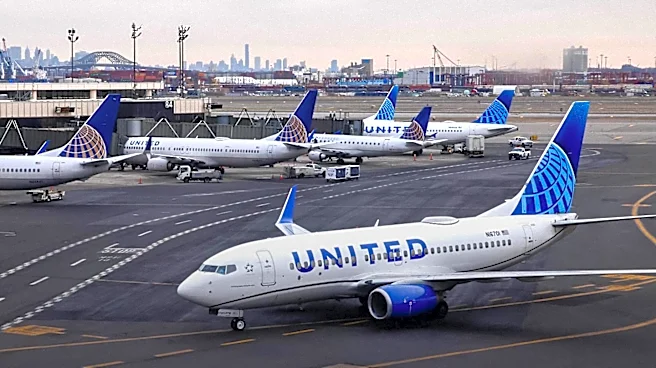
arrivals to maximize the use of existing runways, as one runway is currently used as a taxiway due to ongoing maintenance. The new rules permit up to 42 aircraft landings per hour, an increase of six from the previous limit, though still below the capacity during parallel landings. Doug Yakel, SFO's spokesperson, confirmed the implementation of staggered arrivals, which will help manage the airport's capacity more efficiently. United Airlines, the largest carrier at SFO, has expressed support for the FAA's decision, highlighting the collaborative efforts to enhance landing rates safely.
Why It's Important?
The revision of landing procedures at SFO is significant as it addresses the challenges posed by reduced runway capacity due to maintenance. By increasing the number of landings, the airport can better accommodate the high volume of air traffic, minimizing delays and improving efficiency. This change is crucial for airlines like United, which rely heavily on SFO as a hub. The decision underscores the importance of maintaining operational flexibility at major airports to ensure safety and efficiency. The move also reflects the FAA's commitment to optimizing airport operations without compromising safety, a critical concern given SFO's unique runway configuration.
What's Next?
As the new procedures take effect, SFO will continue to monitor the impact on airport operations and adjust as necessary. The FAA may further increase the landing rate to 42 aircraft per hour by the end of the month, depending on weather conditions and operational assessments. Airlines and airport officials will likely continue collaborating to ensure the changes meet safety standards and operational needs. The ongoing runway maintenance will remain a factor in determining future adjustments to landing procedures.