





What's Happening?
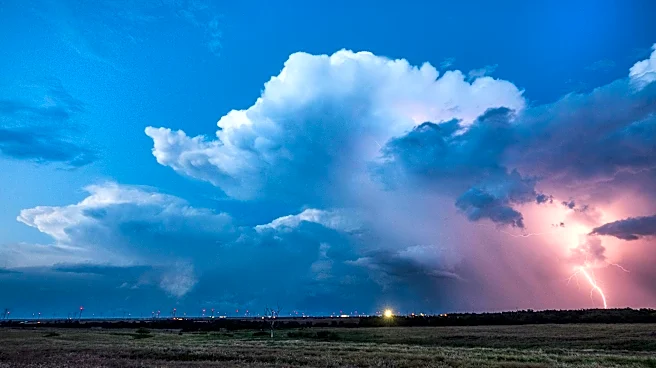
Researchers from the University of Colorado Boulder have detected Medium Chain Chlorinated Paraffins (MCCPs) in the air over Oklahoma, marking the first airborne detection of this toxic organic pollutant in the Western Hemisphere. MCCPs are used in industrial
processes and can end up in biosolid fertilizers, which may release these compounds into the air. The study, published in ACS Environmental Au, suggests that the MCCPs detected likely originated from nearby fields where biosolid fertilizers were applied. The discovery was made using advanced instruments during a field study aimed at understanding airborne particle formation.
Why It's Important?
The detection of MCCPs in the air is significant as these pollutants are being considered for regulation under the Stockholm Convention due to their persistence and potential health risks. The findings highlight the need for further investigation into the atmospheric behavior of MCCPs and their impact on public health. The study also raises concerns about the substitution of regulated Short Chain Chlorinated Paraffins (SCCPs) with MCCPs, potentially increasing the presence of these pollutants. Understanding the distribution and effects of MCCPs is crucial for developing effective environmental policies and regulations.
What's Next?
Future research will focus on tracking MCCP levels over time and understanding their atmospheric effects. Scientists aim to study seasonal variations and potential health impacts of airborne MCCPs. The findings may prompt regulatory agencies to evaluate and possibly regulate MCCPs to protect public health. Continued monitoring and research are essential to assess the long-term implications of MCCPs in the environment.
Beyond the Headlines
The study underscores the unintended consequences of chemical regulation, where industries may substitute one harmful compound with another. This highlights the importance of comprehensive evaluations of chemical substitutes and their environmental impacts. The research also draws parallels between MCCPs and 'forever chemicals' like PFAS, emphasizing the need for robust regulatory frameworks to address emerging pollutants.