






What's Happening?
Florida Governor Ron DeSantis has declared a state of emergency for seven counties in Florida: Brevard, DeSoto, Hardee, Highlands, Indian River, Martin, and St. Lucie. This declaration, issued via Executive Order 26-227, comes in response to widespread
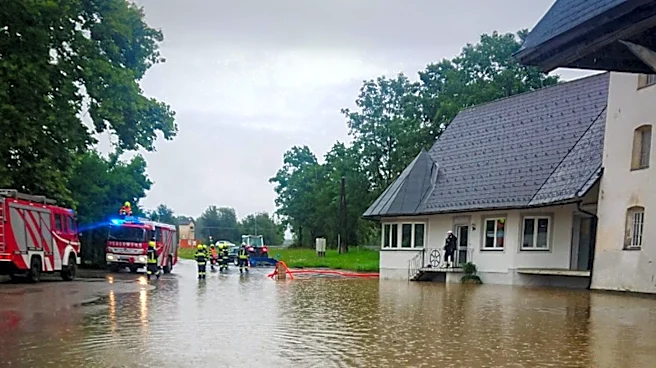
heavy rainfall and significant flooding that has impacted these areas since October 31. The order aims to expedite state resources and aid in response efforts, including rescue, evacuation, and recovery operations. Residents in DeSoto County, particularly in Arcadia, have reported severe flooding, with some areas experiencing water levels high enough to prompt school closures for Tuesday and Wednesday. Concerns have been raised about inadequate storm drains and culverts contributing to the persistent flooding issues. The order also includes provisions for waiving tolls for emergency assistance and evacuation, and addresses potential impacts on Election Day by establishing a process for election supervisors to seek approval for alternative polling-place measures if necessary.
Why It's Important?
The declaration of a state of emergency is crucial for mobilizing necessary resources and support to the affected Florida counties. It allows the Florida Division of Emergency Management to coordinate a comprehensive state response, including the potential activation of the Florida National Guard and Florida State Guard, and requests for federal assistance. This action is vital for protecting public safety, mitigating further damage, and facilitating recovery efforts in communities grappling with high water levels and disrupted infrastructure. The order's provisions for waiving tolls and transportation restrictions are significant for ensuring the swift movement of emergency supplies and personnel. Furthermore, the inclusion of price-gouging protections for essential goods and services in the affected counties aims to safeguard residents from exploitation during this critical period, ensuring access to necessities. The impact on local infrastructure, including roads and schools, highlights the immediate challenges faced by residents and local authorities.
What's Next?
The state of emergency is effective immediately and will remain in effect for 60 days unless extended, indicating a sustained period of monitoring and response. Local emergency management agencies will continue to assess the situation and may request the use of public facilities as shelters. The Florida Department of State will review any proposed partial or substitute measures from election supervisors to ensure the general election on Tuesday, November 3, can proceed smoothly despite the flooding. Authorities in Arcadia are expected to provide more information regarding the storm drain issues, which could lead to long-term infrastructure improvements. Residents in the affected counties should remain vigilant, follow local advisories, and prepare for potential additional rainfall and worsening flood conditions.
Beyond the Headlines
This event underscores the ongoing challenges faced by coastal and low-lying regions in Florida due to increasingly frequent and intense weather events. The recurring nature of flooding in areas like Arcadia, as highlighted by residents, points to a broader issue of aging infrastructure and the need for significant investment in stormwater management systems. The declaration's specific provision for Election Day reflects a proactive approach to safeguarding democratic processes during emergencies, a critical consideration in a state prone to natural disasters. The long-term implications extend beyond immediate relief, prompting discussions on climate resilience, urban planning, and the allocation of resources for preventative measures against future flooding, which could have substantial economic and social costs if not addressed comprehensively.