

What's Happening?
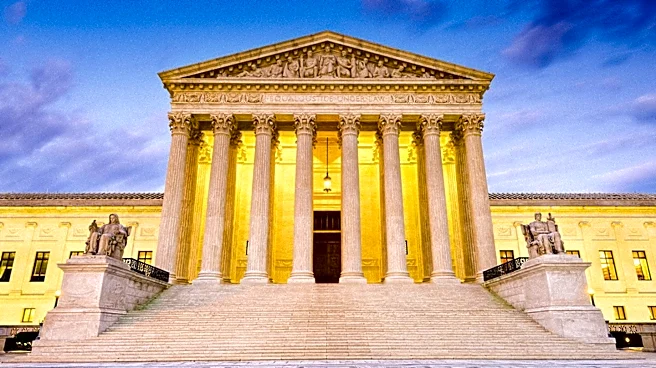
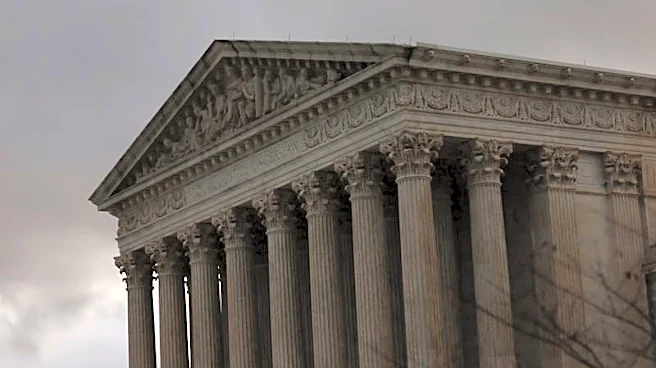
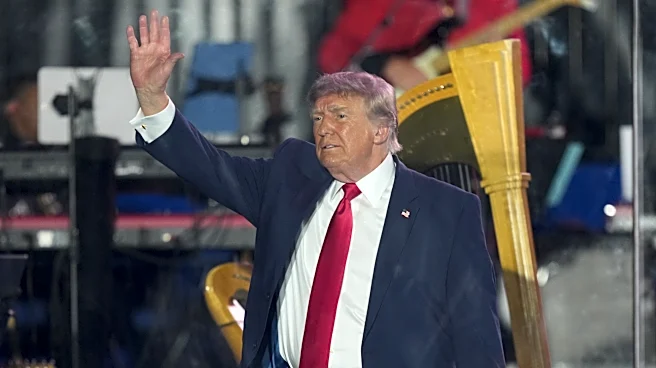
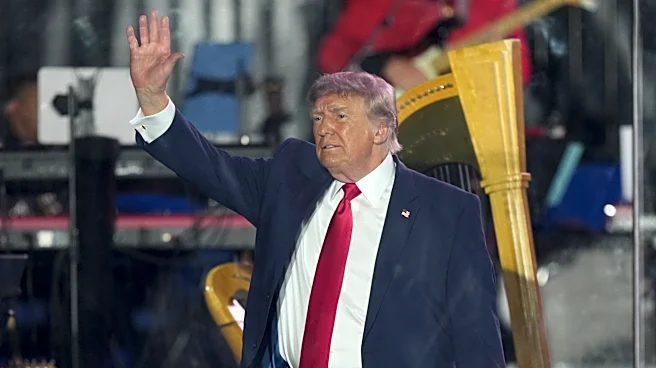
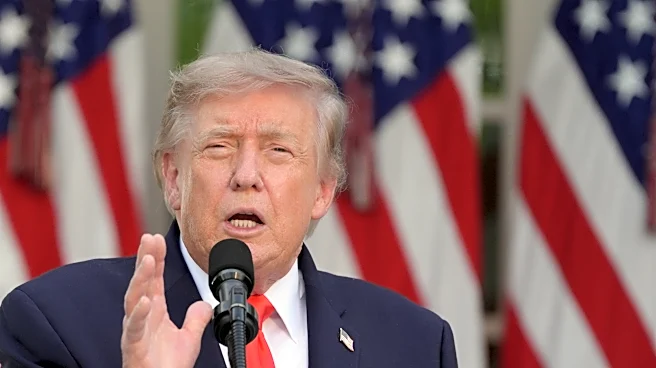
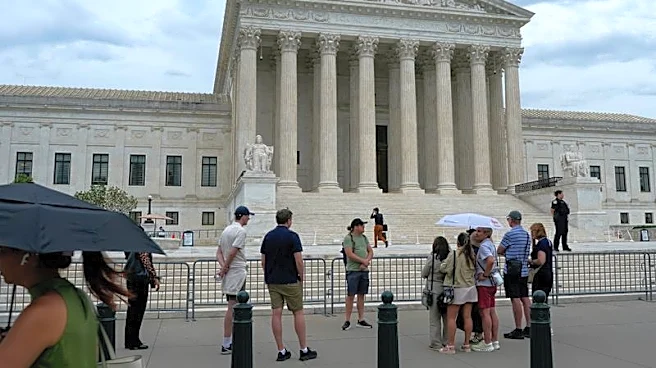
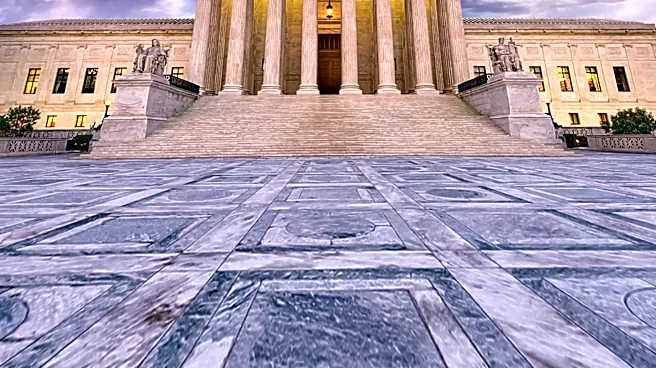
The Supreme Court has ruled in favor of the Trump administration, allowing it to terminate the Temporary Protected Status (TPS) for Haitians and Syrians. This decision, made by a 6-to-3 vote along ideological lines, grants the President the authority
to end TPS without judicial review. TPS, established in 1990, permits individuals from designated countries to live and work in the U.S. due to unsafe conditions in their home countries. The ruling affects approximately 330,000 Haitians and 3,800 Syrians, who may now lose their legal status and face deportation. The decision underscores the Trump administration's broader efforts to reduce immigration, including attempts to remove TPS from several countries.
Why It's Important?
The Supreme Court's decision has significant implications for U.S. immigration policy and the affected communities. The termination of TPS could lead to mass deportations, impacting thousands of families, many of whom have American-born children. The ruling also highlights the administration's stance on immigration, potentially affecting the healthcare sector, where many TPS holders are employed. The decision may strain U.S. relations with countries like Haiti and Syria, which are already facing severe challenges. Additionally, the ruling could set a precedent for future administrations regarding the scope of executive power in immigration matters.
What's Next?
The affected individuals may face deportation unless Congress intervenes. The House of Representatives has passed a bill to extend TPS for Haitians, but it faces uncertainty in the Senate and a likely veto from President Trump. Legal challenges and advocacy efforts may continue, as immigration groups seek to protect TPS holders. The decision may also prompt further legislative discussions on immigration reform and the balance of power between the executive and judicial branches.