





What's Happening?
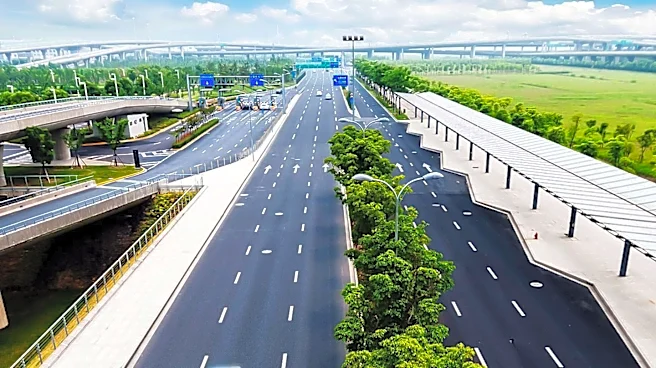
A Kansas mother of two, Monica Rivera, 24, died after falling 40 feet through a 30-inch gap in a raised trafficway bridge median in Kansas City, Kansas. Surveillance video shows Rivera walking across traffic lanes early on October 23 after exiting a car,
seemingly unaware of the gap. Police have stated that no foul play was involved in her death. Rivera leaves behind two young daughters, ages 3 and 5. Her family has requested privacy during their grieving process. The Kansas Department of Transportation (KDOT) has indicated that there are currently no plans to cover or modify the existing gap in the roadway.
Why It's Important?
This tragic incident highlights potential infrastructure safety concerns in U.S. roadways, particularly regarding pedestrian safety on elevated structures. The lack of immediate plans from KDOT to address the 30-inch gap, even after a fatal accident, raises questions about the standards and responsiveness of state transportation departments to identified hazards. For families, such events underscore the devastating consequences of infrastructure oversights. Public awareness and scrutiny of bridge and road design, especially in areas accessible to pedestrians, could increase. This event may prompt calls for re-evaluating safety protocols and design standards for medians on elevated trafficways across the country to prevent similar tragedies.
What's Next?
While KDOT has stated no immediate plans to modify the bridge, public pressure and advocacy from Rivera's family or community groups could potentially lead to a re-evaluation of this decision. The incident may also trigger broader discussions among state transportation agencies nationwide regarding the safety of existing infrastructure and the need for updated design guidelines for pedestrian-accessible areas on bridges and elevated roadways. Local authorities might face increased scrutiny over their maintenance and safety assessment procedures for public infrastructure. Future actions could include independent safety reviews or legislative efforts to mandate specific safety features for such gaps.
Beyond the Headlines
The incident brings to light the often-overlooked dangers present in urban infrastructure, particularly for pedestrians in non-designated walking areas. It raises ethical questions about the responsibility of public works departments to anticipate and mitigate risks, even in scenarios where individuals might be outside typical pedestrian zones. The emotional toll on the family, coupled with the public's reaction, could influence future infrastructure planning to prioritize human safety over existing design norms. This event could also spark a broader conversation about urban planning, pedestrian access, and the balance between traffic flow efficiency and comprehensive safety measures in U.S. cities.