


What's Happening?
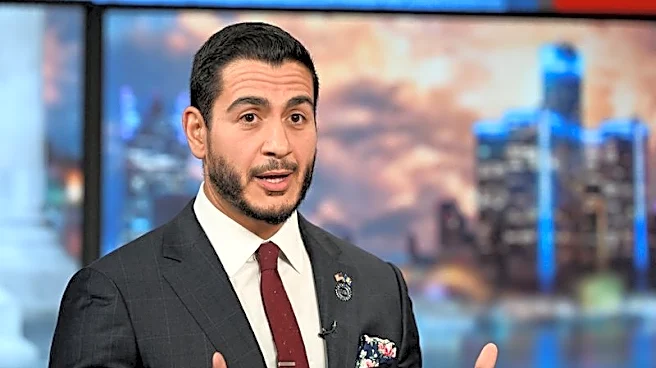
A new media ecosystem is emerging on the left, reshaping Democratic politics by providing platforms for progressive candidates like Abdul El-Sayed, who is running for the U.S. Senate in Michigan. This shift is characterized by a move away from traditional
media outlets towards independent podcasts, social media accounts, and digital news sites. El-Sayed, facing U.S. Rep. Haley Stevens in the primary, has utilized these platforms to reach voters, highlighting a growing distrust in legacy media. This trend mirrors a similar shift on the right, where alternative media has gained traction among conservatives.
Why It's Important?
The rise of independent media on the left signifies a significant transformation in how political narratives are shaped and disseminated. This shift allows progressive candidates to bypass traditional media gatekeepers, potentially altering the dynamics of political campaigns and voter engagement. It reflects a broader trend of declining trust in mainstream media and institutions, influencing how voters access information and form opinions. The impact of this media evolution could lead to increased polarization, as individuals gravitate towards outlets that align with their ideological perspectives.
What's Next?
As the Michigan primary approaches, the effectiveness of independent media in influencing voter behavior will be tested. Candidates like El-Sayed may continue to leverage these platforms to amplify their messages and counteract traditional media narratives. The success of this approach could encourage more candidates to adopt similar strategies, further diversifying the media landscape. Political parties and media organizations may need to adapt to these changes, exploring new ways to engage with audiences and maintain credibility.