




What's Happening?
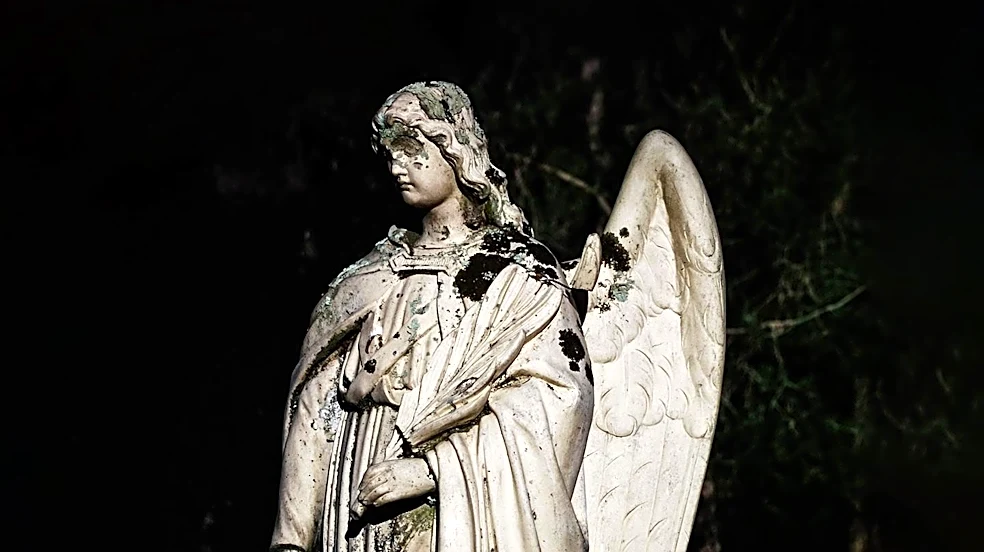
The 20th annual Old Biloxi Cemetery Tour commenced on Sunday afternoon, featuring actors who portray significant figures from the Mississippi Gulf Coast. This year's theme, 'where royalty rests,' specifically honors individuals who held Mardi Gras king
and queen titles, as well as Blessing of the Fleet kings and queens, and other forms of local royalty. Biloxi Main Street Executive Director Kay Miller highlighted that the event provides an opportunity for the community to learn about the rich history and compelling stories of those buried in the cemetery. Among the reenactments, actor David Delk portrayed Kenny Fournier, recognized for founding the Krewe of Neptune. Fournier's family members, including his niece Darlene Williams, attended the performance, expressing that Delk's portrayal evoked strong memories and accurately captured her uncle's character. The tour includes ten other reenactments, each dedicated to individuals who made a lasting impact on the Coast. The event is scheduled to repeat on Tuesday from 5 p.m. to 7 p.m.
Why It's Important?
This annual event is important for several reasons, primarily its role in preserving and celebrating local history and culture in Biloxi, Mississippi. By focusing on figures who were part of Mardi Gras and Blessing of the Fleet royalty, the tour highlights unique aspects of the region's heritage that are deeply intertwined with its social fabric and traditions. These events are not merely historical reenactments but serve as a communal gathering that reinforces local identity and pride. For residents, it offers a tangible connection to their past, fostering a sense of continuity and belonging. Economically, such cultural tourism initiatives can draw visitors, supporting local businesses and the broader tourism sector. Furthermore, by engaging actors and community members, the tour promotes local talent and volunteerism, strengthening community bonds and civic engagement. The emotional responses from attendees, such as Darlene Williams, underscore the profound personal and collective significance of remembering and honoring these historical figures.
What's Next?
The Old Biloxi Cemetery Tour is scheduled to have a repeat performance on Tuesday from 5 p.m. to 7 p.m., offering another opportunity for the public to experience the historical reenactments. Following this, the organizers, Biloxi Main Street, will likely begin planning for future annual tours, potentially exploring different themes or historical figures to feature. The success and community engagement from this year's event, particularly the positive reception from families of those portrayed, could influence future programming and outreach efforts. The event's continued popularity may also encourage other local historical societies or cultural organizations to develop similar initiatives, further enriching the cultural landscape of the Mississippi Gulf Coast. Long-term, the tour contributes to the ongoing preservation of the Old Biloxi Cemetery as a significant historical site and a repository of local narratives.
Beyond the Headlines
The Old Biloxi Cemetery Tour transcends a simple historical event, touching upon deeper cultural and social dimensions. It serves as a powerful mechanism for intergenerational storytelling, allowing younger residents to connect with the legacies of their community's past. The focus on 'royalty' from Mardi Gras and Blessing of the Fleet highlights the unique blend of festive tradition and maritime heritage that defines Biloxi. These roles, while ceremonial, often represent significant community leadership and social influence, reflecting the values and aspirations of the time. The act of portraying these figures, as described by actor David Delk, creates a 'surreal feeling' that bridges the past and present, offering a profound experience for both performers and audience members. This immersive approach to history fosters empathy and understanding, moving beyond mere facts to evoke the human experience of those who shaped the region. It also subtly reinforces the importance of local institutions and traditions in maintaining a vibrant community identity in an increasingly globalized world.