






What's Happening?
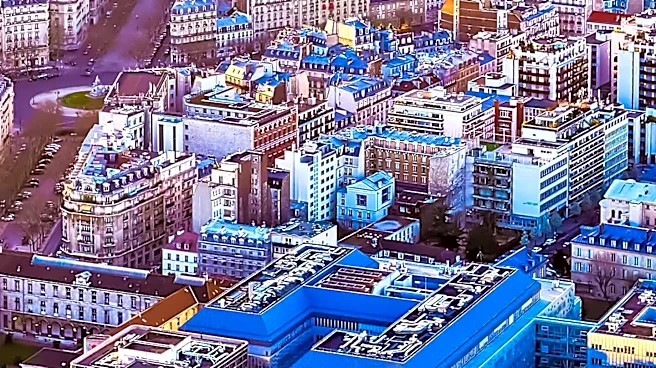
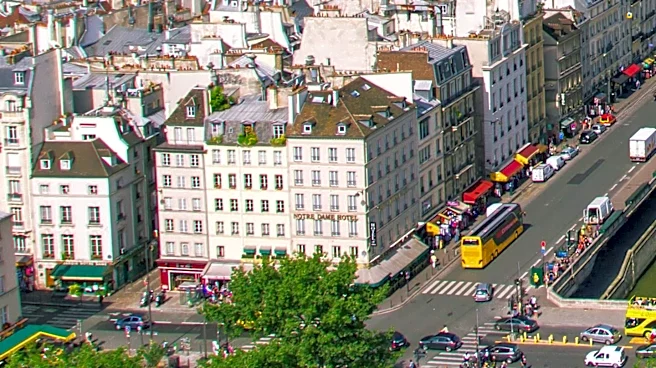
During the late 19th century, Paris underwent a significant transformation under the leadership of Napoleon III and Georges Eugène Haussmann. This period saw the city being rebuilt with broad boulevards, extended sight lines, and new public spaces, which
facilitated the rise of modern urban advertising. Posters became a central element of this new urban landscape, serving as both a form of advertising and a cultural phenomenon. Jules Chéret played a pivotal role in this transformation by adapting color lithography to meet the demands of urban advertising, creating vibrant posters that captured the attention of passersby. These posters not only advertised products and events but also became a part of the visual experience of modern Paris.
Why It's Important?
The development of the modern poster in Paris during this period is significant as it marked a shift in how advertising and public art were perceived. The integration of art and commerce through posters influenced the evolution of graphic design and advertising, setting a precedent for future developments in visual communication. This transformation also reflects broader changes in urban life and consumer culture, as cities became spaces of visual spectacle and commercial activity. The legacy of this era is evident in today's advertising and design industries, which continue to draw on the principles established during this time.