


What's Happening?
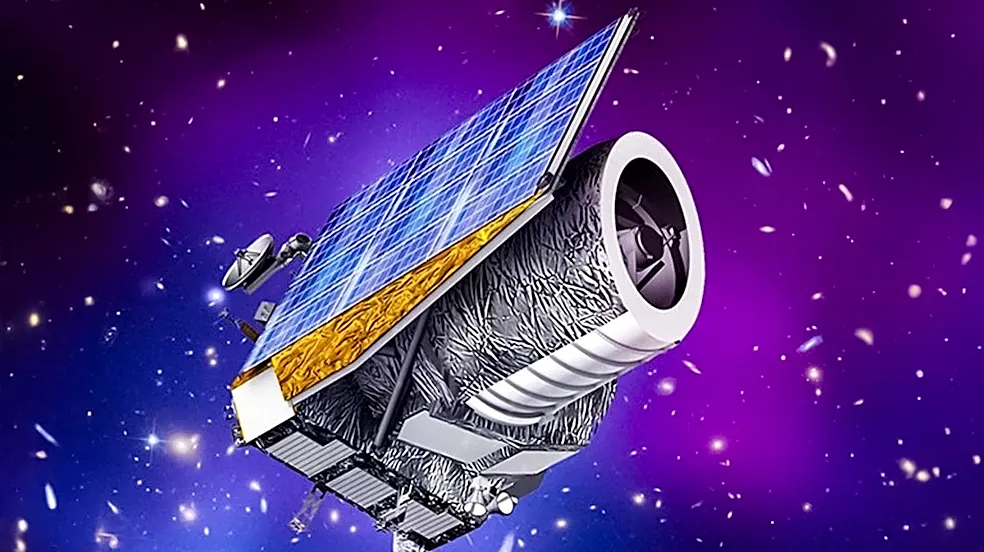
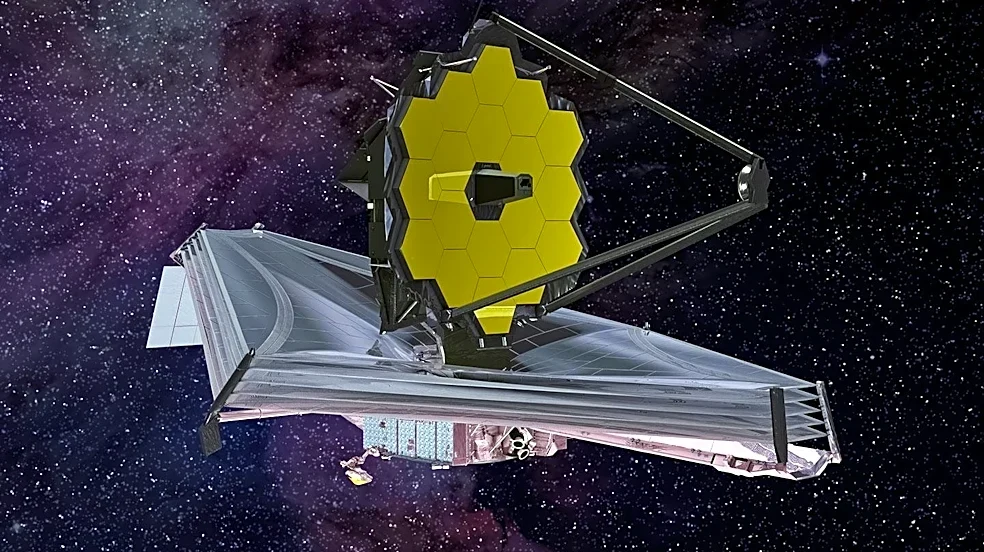
NASA's Nancy Grace Roman Space Telescope has successfully transitioned into its science commissioning phase after completing a thorough checkout and refinement of its observatory and primary instrument performance. According to Julie McEnery, Roman’s
senior project scientist at NASA’s Goddard Space Flight Center, the observatory is fully functional, capable of guiding, taking exposures, processing data, and maneuvering for observations. The commissioning process has progressed smoothly, even overcoming initial concerns about the telescope's ability to observe star-dense regions or nebulae shrouded by thick dust. Test observations have confirmed Roman's excellent performance in all such challenging scenarios. The team is now conducting a series of planned test observations to characterize performance, calibrate instrument responses to light, and refine image quality before commencing full science operations. Early test observations have already demonstrated the telescope's remarkable speed, allowing for detailed cosmic vistas in short timeframes.
Why It's Important?
The successful entry of the Roman Space Telescope into its science commissioning phase marks a critical step toward groundbreaking astronomical discoveries. The telescope's ability to capture images with extraordinary consistency and clarity is vital for its mission, as even minor imperfections could obscure the subtle signals it aims to measure. The demonstrated speed of Roman's Wide Field Instrument, which can observe objects a hundred million times fainter than the human eye can detect, promises an unprecedented volume of data. This data deluge is expected to reveal numerous planets, stars, and galaxies, potentially uncovering strange and unexpected cosmic phenomena. The fine-tuning of image detail during this phase will enhance scientists' understanding of the data and could unlock new scientific capabilities, further expanding the mission's potential contributions to astrophysics.
What's Next?
The Roman Space Telescope team will continue with carefully planned test observations to finalize the characterization of the observatory's performance, calibrate its instruments' light responses, and refine image quality. Following the successful completion of this commissioning phase, the telescope will transition into full science operations. This will involve routine large-scale mosaics and the frequent observation of rare cosmic events, leveraging its high survey speeds. The mission's initial performance exceeding expectations suggests that new scientific capabilities may emerge, leading to an even greater volume of data. Scientists anticipate that the detailed insights gained during this phase will allow for a more comprehensive understanding of the universe and potentially lead to significant new discoveries.
Beyond the Headlines
The Roman Space Telescope's advanced capabilities and its focus on wide-field imaging represent a significant leap in astronomical observation. Its ability to rapidly survey vast cosmic regions will not only accelerate the discovery of exoplanets and distant galaxies but also provide a statistical understanding of the universe that was previously unattainable. This mission could fundamentally alter our understanding of cosmic evolution, dark energy, and the distribution of matter in the universe. The sheer volume and depth of data expected will also pose new challenges and opportunities for data analysis and interpretation, potentially driving innovations in artificial intelligence and computational astrophysics. The mission's success could inspire future generations of scientists and engineers, pushing the boundaries of space exploration and our quest to understand our place in the cosmos.