

What's Happening?
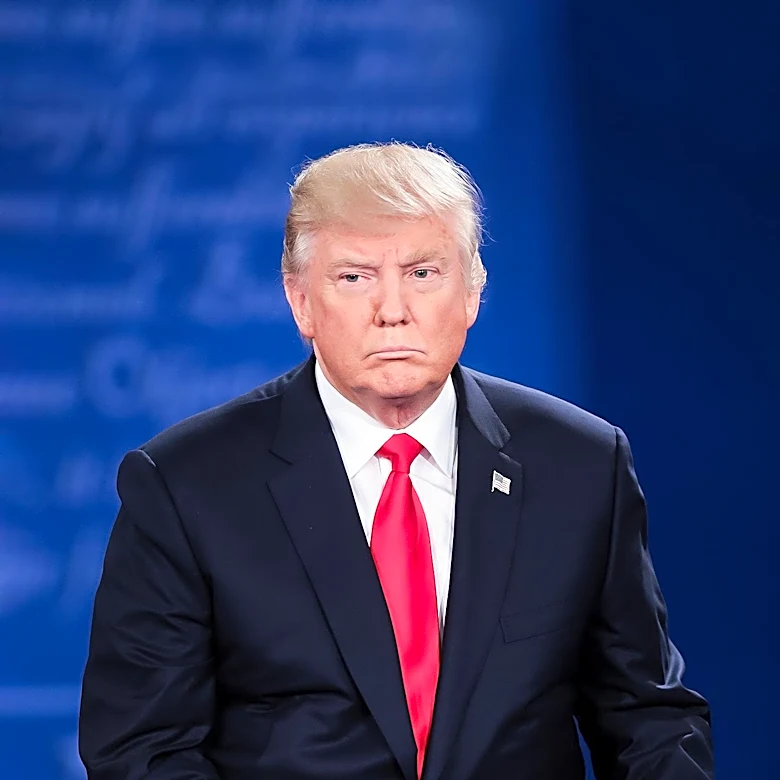
President Trump's approval rating has dropped to 33%, tying his lowest mark during his presidency, according to a Reuters/Ipsos poll. This decline comes as a majority of Americans, including 53% of registered voters and nearly a quarter of Republicans,
report being economically worse off since January 2025, as indicated by a Financial Times poll. Inflation in July stood at 3.4%, higher than when President Trump took office, and real wages have decreased due to hourly pay not keeping pace with inflation. The U.S. economy also shed 23,000 jobs last month. These economic challenges are exacerbated by the ongoing war with Iran, which has led to increased oil prices, a surge in gasoline costs, and widespread inflation. The conflict, which President Trump initially stated would conclude in weeks, is now approaching its sixth month and remains largely unpopular, with only about a third of Americans supporting it.
Why It's Important?
The significant drop in President Trump's approval rating, particularly among his own voter base, signals a potential shift in public sentiment ahead of upcoming elections. The widespread perception of economic decline, coupled with the unpopular and prolonged war in Iran, could have substantial political ramifications. The economic indicators, such as high inflation, declining real wages, and job losses, directly impact the financial well-being of American households, potentially leading to increased voter dissatisfaction. The rising oil and gasoline prices, a direct consequence of the Iran conflict, further strain household budgets and contribute to broader economic instability. This confluence of economic hardship and war fatigue could mobilize opposition voters and challenge the incumbent administration's political standing, influencing legislative priorities and future policy decisions.
What's Next?
As the November elections approach, the administration will likely face increasing pressure to address the economic concerns of Americans and provide a clear strategy for the Iran war. President Trump's focus on the soaring stock market, while potentially reassuring to some financial stakeholders, may not resonate with the majority of Americans experiencing pocketbook issues. The declining enthusiasm among his core supporters, as shown by an Economist/YouGov poll, suggests a need for the administration to re-engage its base. Conversely, the reported 10-point advantage for Democrats among likely voters, according to a Washington Post/Ipsos poll, indicates a potentially energized opposition. Future actions could include new economic policies aimed at curbing inflation or boosting wages, or a re-evaluation of the U.S. involvement in the Iran conflict to mitigate its economic and social costs. The coming months will likely see intensified political campaigning and public debate surrounding these critical issues.
Beyond the Headlines
The current political and economic climate highlights a growing disconnect between Wall Street performance and the everyday financial realities of many Americans. While the stock market may be performing well, the struggles with inflation and stagnant real wages for the average citizen underscore a broader societal challenge regarding economic equity and the distribution of prosperity. The prolonged and unpopular war in Iran also raises deeper questions about the efficacy of foreign policy decisions and their domestic impact, particularly on economic stability and public trust. This situation could lead to a re-evaluation of how economic success is measured and communicated to the public, potentially shifting political discourse towards more inclusive economic indicators beyond stock market performance. Furthermore, the erosion of support among a president's base due to economic hardship and war fatigue could signal a long-term trend in voter behavior, where tangible improvements in daily life outweigh other political considerations.