





What's Happening?
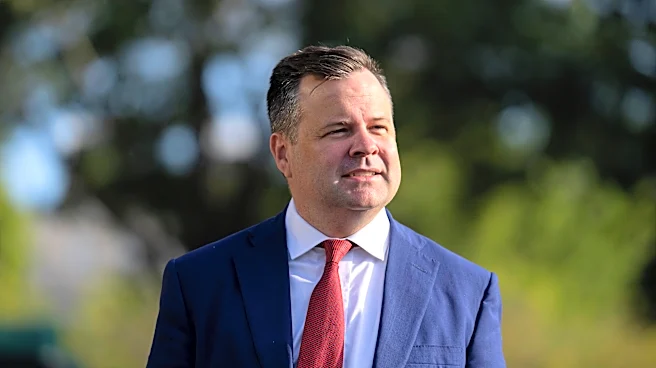
President Trump has informed House Speaker Mike Johnson that he will not retract his decision to appoint Bill Pulte as the acting director of national intelligence. This decision has sparked significant opposition from Democrats, who are threatening to let
a critical surveillance authority, Section 702 of the Foreign Intelligence Surveillance Act (FISA), expire. The GOP is facing a crisis as the expiration date approaches, with no clear resolution in sight. Trump has argued that Pulte's appointment is temporary and intended to restructure the intelligence community before a permanent director is nominated. Despite internal GOP discussions about alternatives, such as extending the tenure of the current director, Pulte has garnered support from MAGA loyalists and continues to advocate for his position.
Why It's Important?
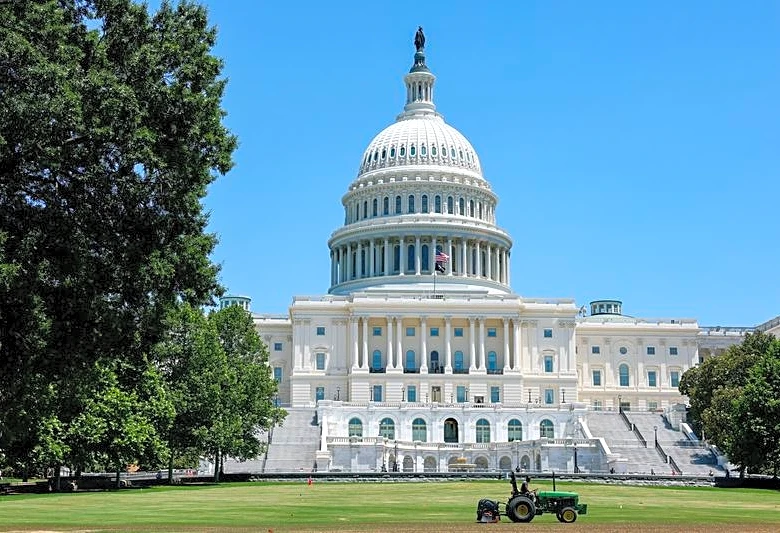
The standoff over Pulte's appointment has significant implications for national security and political dynamics. Section 702 of FISA is a crucial tool for intelligence gathering, and its expiration could hinder national security operations. The situation highlights the tension between the executive branch and Congress, particularly regarding appointments and national security policy. The GOP's internal divisions and the Democrats' firm stance against Pulte's appointment underscore the challenges in reaching bipartisan agreements on critical issues. The outcome of this dispute could affect the balance of power and influence within the intelligence community and set a precedent for future appointments.
What's Next?
As the deadline for the expiration of Section 702 approaches, pressure is mounting on both parties to reach a resolution. The White House may consider nominating a permanent director of national intelligence to appease Democrats and secure the extension of FISA powers. However, the administration is not currently considering removing Pulte from his acting role. The GOP hopes that centrist Democrats will relent, but Democrats have shown no signs of backing down. The situation remains fluid, with potential implications for upcoming midterm elections and the broader political landscape.