







What's Happening?
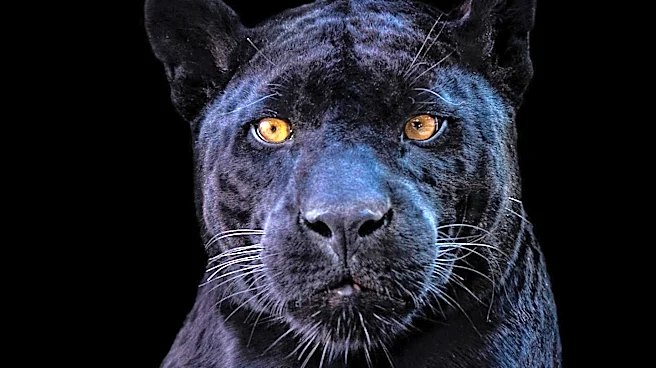
Panthera, a leading wild cat conservation organization, is under scrutiny due to the financial interests of several board members in mining projects, including the proposed Donlin Gold mine in Alaska's Kuskokwim region. The Mother Kuskokwim Tribal Coalition
has reached out to Panthera's board, questioning how these investments align with the organization's conservation mission. The coalition has requested Panthera to disclose mining-related financial interests, strengthen conflict-of-interest policies, and ensure that projects affecting Indigenous communities adhere to the principle of free, prior, and informed consent. The proposed Donlin Gold mine is located in an area inhabited by the Canada lynx, a species Panthera aims to protect. The coalition's concerns highlight a potential conflict between the organization's conservation goals and the personal investments of its board members.
Why It's Important?
This situation raises significant questions about the integrity and transparency of conservation organizations when their leadership holds financial stakes in projects that could harm the very ecosystems they aim to protect. The involvement of Panthera's board members in the Donlin Gold mine project could undermine the organization's credibility and moral authority. This issue also touches on the broader theme of how conservation groups engage with Indigenous communities whose lands are impacted by such projects. The outcome of this situation could influence public trust in conservation organizations and their ability to advocate effectively for environmental protection while maintaining ethical standards.
What's Next?
Panthera has the opportunity to address these concerns by clarifying how its board's mining interests align with its conservation mission. The organization could adopt more stringent conflict-of-interest policies and engage in meaningful dialogue with Indigenous communities affected by the Donlin Gold project. The response from Panthera will be crucial in determining whether it can maintain its reputation as a leader in wild cat conservation. The broader conservation community and stakeholders will be watching closely to see how Panthera navigates this challenge and whether it can reconcile its mission with the actions of its leadership.
Beyond the Headlines
The situation with Panthera highlights a recurring issue in the conservation sector, where organizations must balance financial interests with ethical commitments to environmental protection. This case underscores the importance of transparency and accountability in maintaining public trust and the effectiveness of conservation efforts. It also raises questions about the role of philanthropy in conservation and whether financial contributions can compensate for actions that may harm the environment. The outcome of this situation could set a precedent for how conservation organizations handle similar conflicts of interest in the future.