





What's Happening?
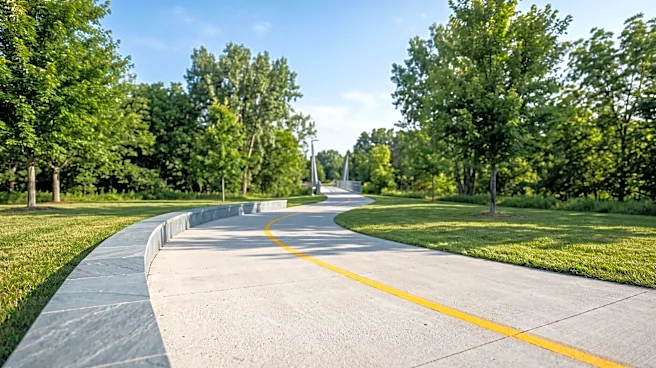
The Atlanta Beltline has successfully secured all necessary land rights to complete its 22-mile mainline trail loop. This significant milestone, announced on October 2, follows two decades of negotiations and nearly 200 real estate transactions covering
over 270 acres. The project involved acquiring approximately 90 deeds and 230 easements from various entities, including railroads, utilities, corporations, government agencies, and individual owners. While 16.7 continuous miles of the trail are currently open, the full loop is projected to be completed by 2030. The Northwest Trail section, which required a new route through established neighborhoods and business districts, is a key component of the remaining work, with several segments already complete or under construction.
Why It's Important?
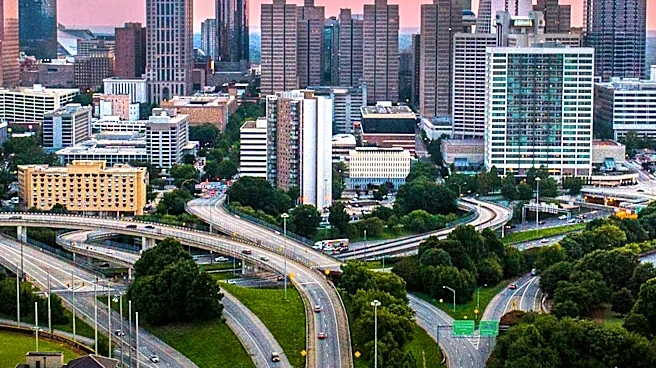
The completion of the Atlanta Beltline's land acquisition is a crucial step towards realizing a major urban development project that will significantly impact Atlanta's infrastructure and community. This 22-mile loop will connect over 45 neighborhoods, transforming former freight rail corridors into spaces for outdoor recreation and alternative transportation. An economic analysis in May indicated that the project has already spurred $14.2 billion in private investment within the Beltline Planning Area. Furthermore, the organization has secured 94 acres for affordable housing and commercial spaces, contributing to the creation or preservation of 4,555 affordable homes, which is 81% of its 2030 goal. The full trail will offer residents and visitors an ambitious way to explore Atlanta, fostering community connectivity and economic growth.
What's Next?
With all land rights secured, the Atlanta Beltline project will now focus on the construction and development phases to achieve its targeted completion by 2030. The remaining 4.3-mile Northwest Trail section, stretching from Blandtown to the Lindbergh and Morosgo neighborhoods, will link the Westside and Northeast trails. Construction will continue on various segments, including a pedestrian bridge over Northside Drive. The project's ongoing development is expected to further stimulate private investment and continue to address affordable housing needs within the Beltline Planning Area. Stakeholders, including local government, businesses, and residents, will likely monitor the progress and anticipate the full realization of the continuous loop.
Beyond the Headlines
The Atlanta Beltline project represents a broader trend in urban planning towards repurposing industrial infrastructure for public use and sustainable development. By converting old freight rail corridors into a multi-use trail, Atlanta is not only enhancing its green space and recreational opportunities but also fostering a more walkable and connected city. This initiative highlights the complex process of urban revitalization, involving extensive negotiations, community engagement, and significant financial investment. The project's commitment to affordable housing alongside its recreational and economic goals underscores a holistic approach to urban development, aiming to create inclusive and vibrant communities. The long-term success of the Beltline could serve as a model for other cities looking to integrate historical infrastructure with modern urban needs.