


What's Happening?
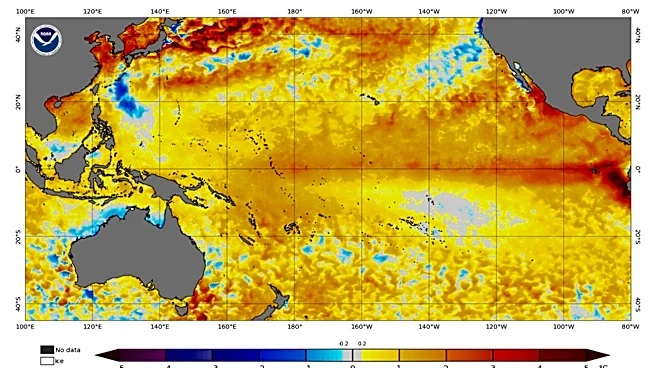
The United Nations has issued a warning about the expected return of El Niño conditions, which are anticipated to influence global temperatures and rainfall patterns, including in the United States. According to the World Meteorological Organization (WMO),
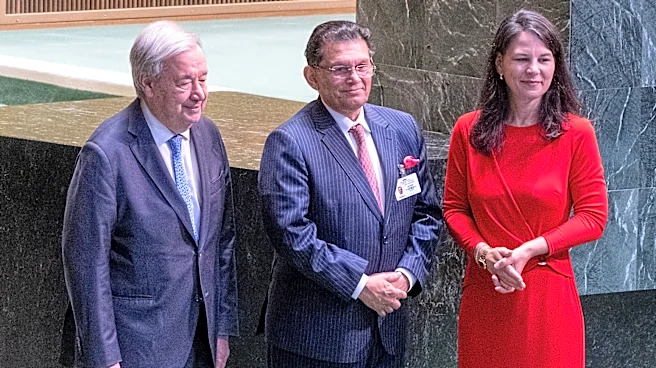
there is an 80% chance of El Niño forming between June and August this year, with a 90% likelihood before November. The last El Niño cycle, in 2023-24, was among the strongest on record, contributing to record global temperatures in 2024. Forecast models suggest the upcoming El Niño could be moderate to strong, potentially exacerbating climate-related challenges. UN Secretary-General António Guterres emphasized the urgency of addressing climate change, noting that El Niño could intensify global warming effects.
Why It's Important?
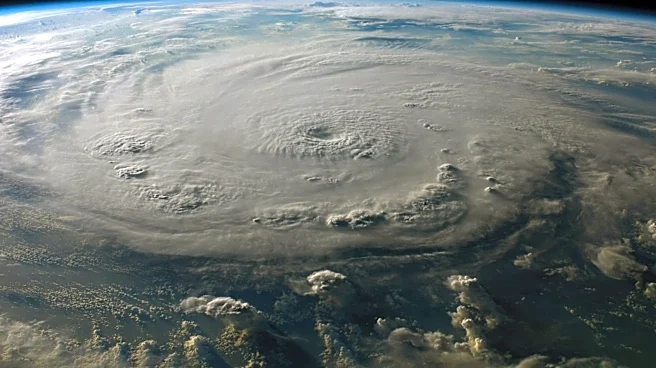
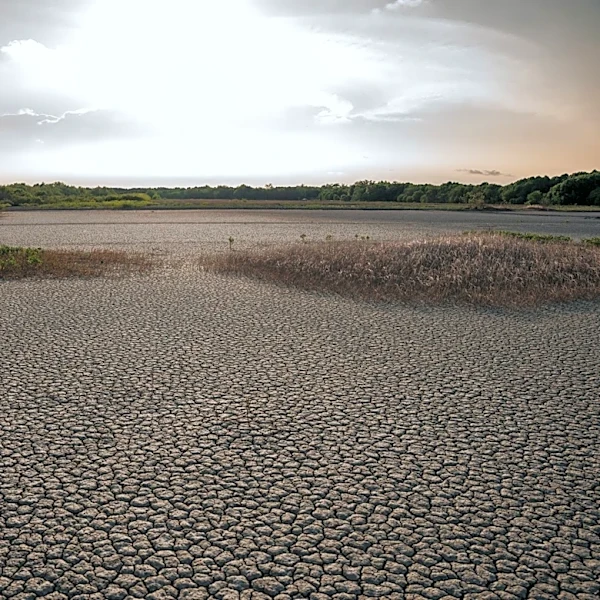
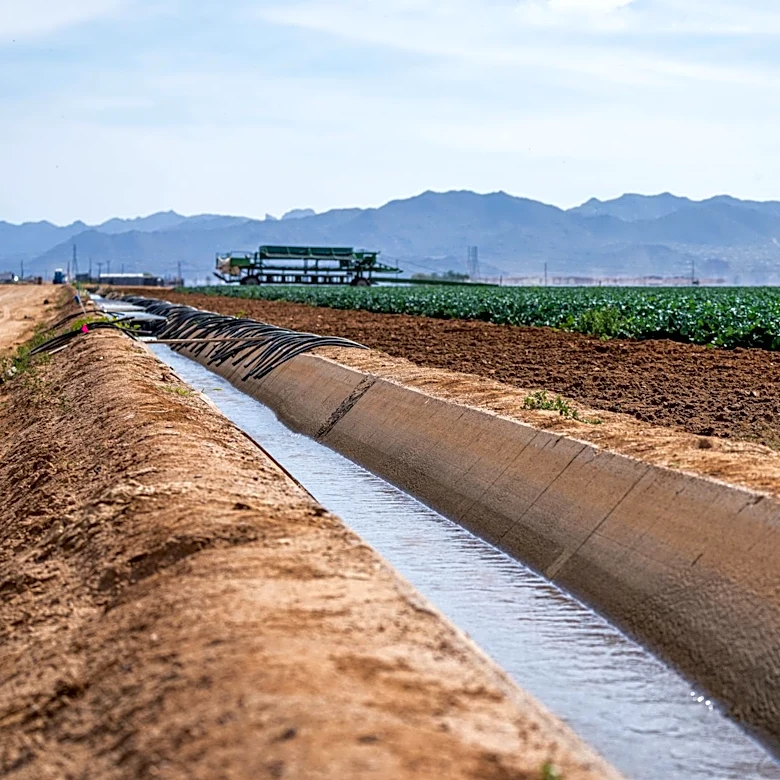
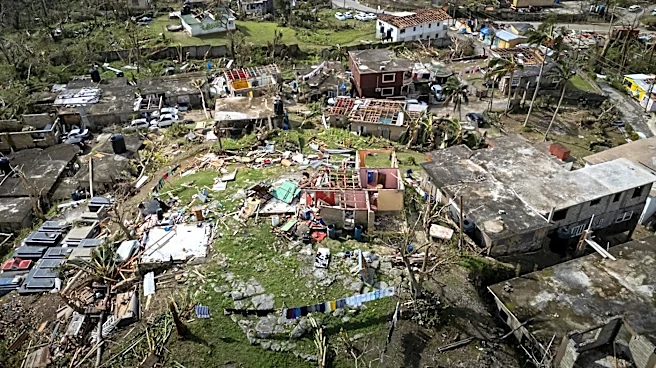
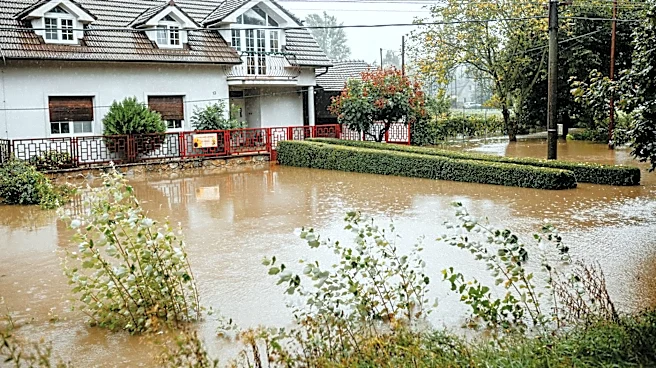
The anticipated El Niño event is significant due to its potential to alter weather patterns globally, affecting agriculture, water management, and energy sectors. In the U.S., El Niño is known to cause wetter conditions in the southern states and drier conditions in the north, impacting crop yields and water resources. The phenomenon could also suppress Atlantic hurricane activity while increasing Pacific hurricanes, posing risks to coastal communities. The WMO's warning highlights the need for early warnings and preparedness to mitigate the impacts on vulnerable populations and climate-sensitive sectors.
What's Next?
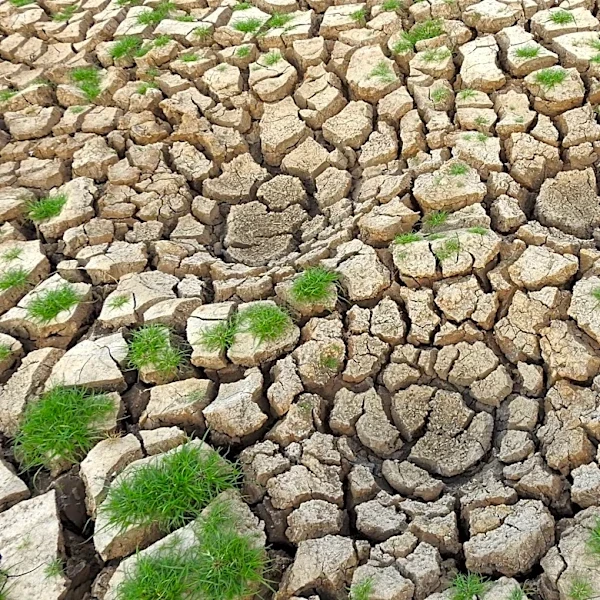
Governments and agencies are urged to prepare for the potential impacts of El Niño, with increased risks of drought, heavy rainfall, and heatwaves. The WMO stresses the importance of early warnings and seasonal forecasts to help sectors like agriculture and water management respond effectively. As El Niño conditions develop, monitoring and adaptation strategies will be crucial to minimize disruptions and protect communities.