



What's Happening?
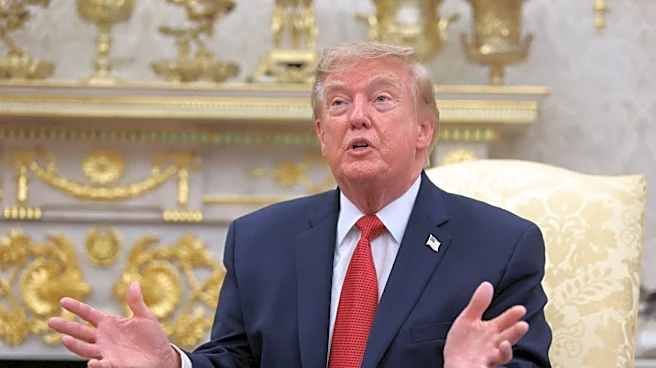
President Trump's foreign policy regarding Iran has been characterized by incoherence, particularly following the expiration of a memorandum of understanding (MOU) between Iran and the United States. This agreement, intended to de-escalate conflict and facilitate
negotiations, effectively ended within three weeks of its signing and failed to achieve its objectives, including the reopening of the Strait of Hormuz. The President's administration is reportedly divided on the goals of the Iran war, with President Trump clashing with his Vice President, military leaders, and long-standing American allies. For instance, President Trump has called for Americans to accept higher gasoline prices to prevent Iran from acquiring nuclear weapons, while Vice President Vance has stated that lowering fuel prices is the primary goal of the war. The President has also made statements about declaring the Strait of Hormuz a U.S. territory, which contradicts his Secretary of State Marco Rubio's stance on neutrality and his own previous statements against global policing. Furthermore, President Trump has threatened Oman for negotiating with Iran regarding a toll system for ships, despite Oman being a regional ally.
Why It's Important?
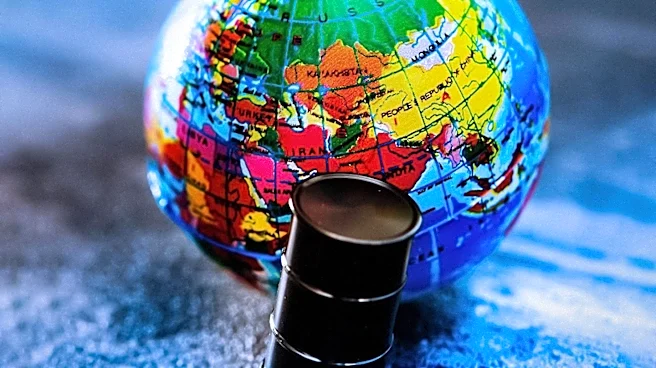
The perceived incoherence in President Trump's foreign policy carries significant implications for U.S. national security and international relations. The lack of a clear, unified strategy on Iran risks prolonging the conflict and destabilizing the Middle East, potentially impacting global oil markets and U.S. economic interests. Disagreements within the administration and public clashes with allies can erode trust and undermine diplomatic efforts, making it harder to build international coalitions for future challenges. The situation in the Strait of Hormuz, a critical chokepoint for global oil shipments, directly affects energy prices and supply chains, impacting American consumers and businesses. Moreover, the reported poor conditions and low morale among U.S. troops deployed in the region, coupled with President Trump's dismissive remarks, could affect military readiness and recruitment. The President's actions, such as curtailing joint military exercises with South Korea while fighting a war to prevent nuclear proliferation in Iran, send mixed signals to both adversaries and allies, potentially emboldening rivals and alienating partners.
What's Next?
With the expiration of the MOU and the ongoing disagreements, the immediate future points to continued uncertainty in U.S.-Iran relations. The U.S. faces a critical decision regarding the Strait of Hormuz: either escalate military operations, including ground troops, or cede de facto control of the strait. Oman's negotiations with Iran for a toll system could proceed, potentially leading to further U.S. reactions given President Trump's threats. The internal divisions within the administration and the public disagreements with allies suggest that a cohesive strategy is unlikely to emerge soon. The situation also raises questions about the future of U.S. alliances, particularly with South Korea, following the curtailment of joint military exercises. Stakeholders, including international bodies, other regional powers, and global energy markets, will be closely watching for any shifts in U.S. policy or military actions, which could have far-reaching consequences.
Beyond the Headlines
The current situation highlights a deeper challenge in U.S. foreign policy: the tension between a transactional, improvisational approach and the need for consistent, long-term strategic planning. President Trump's foreign policy, often driven by personal relationships and immediate reactions, contrasts with traditional diplomatic frameworks that emphasize alliances, multilateralism, and predictable engagement. This approach can lead to a perception of unreliability among allies and unpredictability among adversaries, potentially undermining the U.S.'s global standing and influence. The ethical implications of dismissing the concerns of military families and threatening allies also raise questions about the values underpinning U.S. foreign policy. The long-term shift could be a re-evaluation of how the U.S. engages with the world, potentially leading to a more isolationist stance or a renewed emphasis on traditional alliances, depending on future political leadership and global events. The ongoing crisis in the Middle East, exacerbated by the lack of a clear U.S. strategy, could also trigger broader regional realignments and power shifts.