

What's Happening?
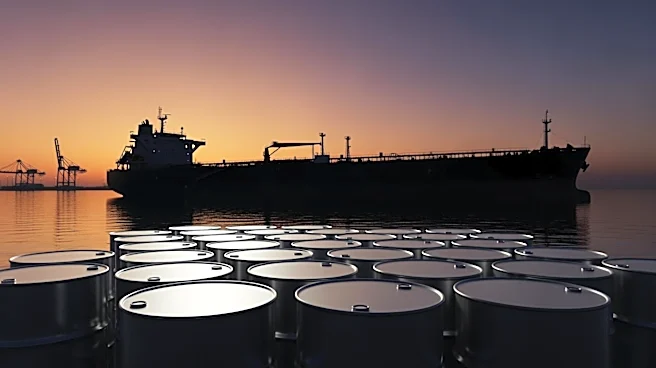
The ongoing blockade of the Strait of Hormuz is causing significant disruptions in the global fertiliser market, which is crucial for food production. The blockade has halted the transport of key fertiliser ingredients such as ammonia, nitrogen, and sulphur,
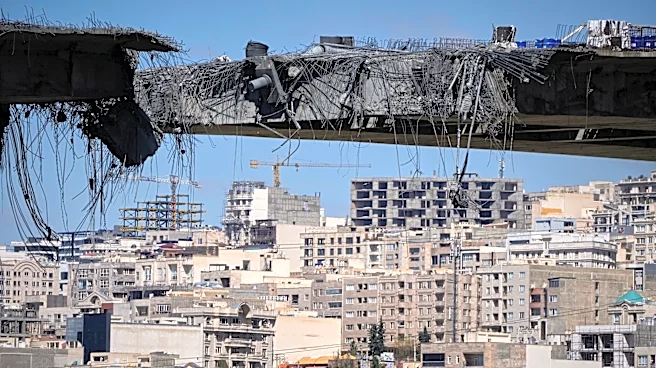
leading to increased prices and potential shortages. The Gulf region, a major hub for fertiliser production, is facing a 'food security timebomb' as described by David Miliband of the International Rescue Committee. The blockade has already caused a 60% rise in Egyptian urea prices, a benchmark for the industry. The situation is exacerbated by the conflict in the Middle East, which has led to the closure of major fertiliser production sites like the Qatar Fertiliser Company. This disruption is particularly concerning for countries heavily reliant on Gulf fertilisers, including India, Pakistan, and several African nations.
Why It's Important?
The blockade's impact on fertiliser supply is critical as it threatens to increase food prices globally, affecting both developed and developing nations. Fertilisers are essential for maintaining crop yields, and any disruption can lead to reduced food production and higher prices for staples like bread, rice, and pasta. The situation is dire for the world's poorest countries, which are least equipped to handle such price shocks. The blockade could lead to a global hunger crisis if not resolved, as warned by international organizations. The rising costs of fertilisers and fuel are reminiscent of past crises, such as the 2008 global fertiliser crisis and the price surges following Russia's invasion of Ukraine in 2022.
What's Next?
The resolution of the blockade is uncertain, and the global fertiliser market remains in a state of paralysis. Countries are scrambling to secure supplies, and some buyers are waiting in hopes that prices will drop once the conflict ends. However, if the blockade continues, fertiliser plants may have to curtail production due to storage limitations. The U.S. has attempted to mitigate the economic impact by loosening sanctions on Belarusian potash producers, but this is unlikely to significantly increase global supplies. The timing of the blockade is particularly challenging for countries like India, where the sowing season is approaching, potentially leading to reduced agricultural output and higher food prices.
Beyond the Headlines
The blockade highlights the vulnerability of global supply chains and the interconnectedness of energy and food security. It underscores the need for diversified supply routes and increased resilience in agricultural inputs. The situation also raises ethical concerns about the impact of geopolitical conflicts on food security, particularly for the most vulnerable populations. Long-term, the crisis could prompt a reevaluation of global trade dependencies and encourage investment in alternative fertiliser production methods or sources.