

What's Happening?
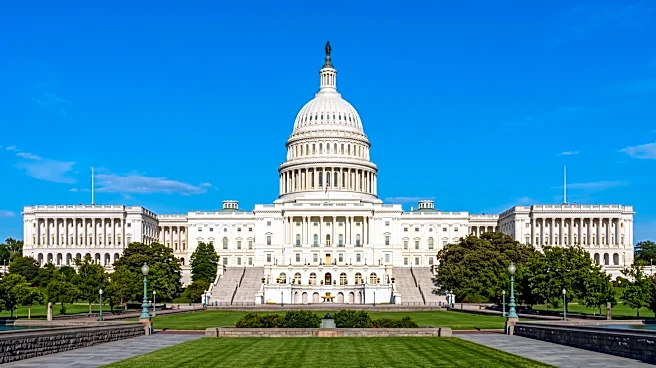
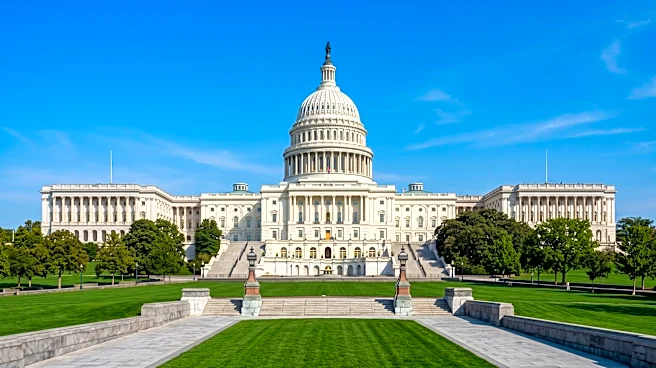
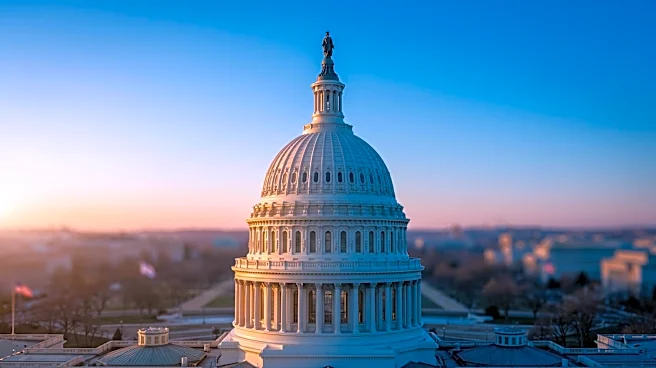
A new piece of legislation, H.R. 10416, known as the Housing Tariff Exclusion Act, has been introduced in the U.S. House of Representatives by California Democrat Nanette Barragán. This bill aims to establish a mechanism for builders and other stakeholders
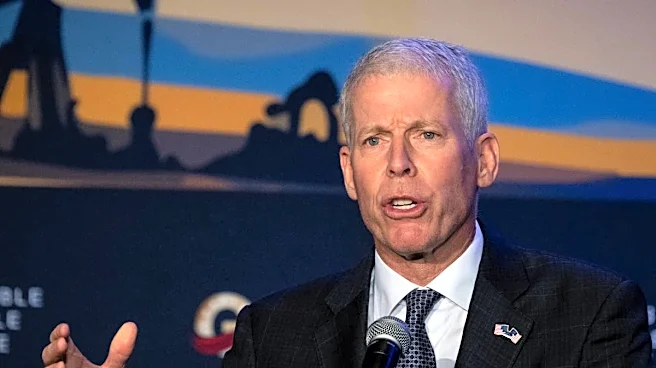
to request exemptions from both current and future tariffs on specific building materials. The National Association of Home Builders (NAHB) has voiced strong support for this legislation, highlighting that continued tariffs on these materials could add billions of dollars to home construction costs, thereby exacerbating the challenge of housing affordability in the United States. The NAHB Chairman, Bill Owens, stated that the bill would help alleviate tariff-driven cost pressures, provide greater business certainty, and support broader efforts to improve housing affordability. A related bill was also introduced in the Senate earlier this year.
Why It's Important?
The proposed legislation directly addresses a critical issue impacting the U.S. housing market: affordability. Tariffs on building materials contribute significantly to the overall cost of home construction, which in turn affects the prices of homes for prospective buyers and renters. By seeking exemptions, the bill aims to reduce these costs, potentially making housing more accessible across the nation. This is particularly important given the current slow housing market and the ongoing challenge of affordability. The NAHB's support underscores the industry's concern over rising material costs and their impact on housing supply. Furthermore, the construction industry is already grappling with labor shortages, and the NAHB has warned that federal immigration enforcement efforts are further straining the construction labor pool, delaying projects and increasing costs. Exempting building materials from tariffs could provide much-needed relief to an industry facing multiple economic pressures.
What's Next?
The Housing Tariff Exclusion Act (H.R. 10416) will now proceed through the legislative process in the U.S. House of Representatives. Its passage would create a formal process for businesses to apply for tariff exemptions on building materials, potentially leading to a reduction in construction costs. The NAHB and other industry advocates will likely continue to lobby for the bill's approval, emphasizing its potential to improve housing affordability and support the construction sector. Concurrently, the 'Let America Build' campaign, backed by various housing and real estate groups, is actively working to raise public awareness about the housing supply gap and encourage local policymakers to implement zoning and regulatory changes. The outcome of this legislation will be closely watched by builders, homebuyers, and policymakers as they seek solutions to the nation's housing challenges.
Beyond the Headlines
This legislative effort highlights the complex interplay between trade policy, economic conditions, and social issues like housing affordability. While tariffs are often implemented with broader economic or geopolitical objectives, their downstream effects can significantly impact domestic industries and consumer welfare. The push for tariff exemptions on building materials reveals a growing recognition of these unintended consequences and the need for targeted policy interventions. It also underscores the influence of industry associations like the NAHB in shaping legislative agendas to address sector-specific challenges. The broader context of labor shortages in construction, exacerbated by immigration policies, further complicates the housing supply issue, suggesting that a multi-faceted approach involving both trade and labor policy reforms may be necessary to achieve sustainable housing affordability.