





What's Happening?
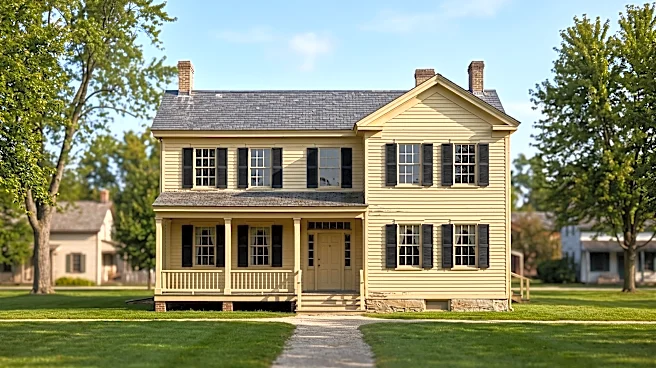
Naper Settlement, a living history museum in Naperville, Illinois, is requesting $145,000 from the city to conduct a comprehensive feasibility study for its historic buildings. This study is crucial for developing a long-term master plan for the museum's
campus. According to Rena Tamayo-Calabrese, President and CEO of Naper Settlement, there is currently no existing data on the condition of these historic structures, some of which are experiencing issues like water intrusion during heavy rains. The assessment will provide vital information on the status of each building, which will then inform the master plan and guide future decisions regarding their preservation, use, and necessary renovations. This initiative aims to ensure the longevity and continued relevance of the museum's historical assets.
Why It's Important?
The preservation of historic buildings is vital for maintaining cultural heritage and providing educational opportunities. For Naper Settlement, a museum dedicated to telling the story of Naperville's past, the structural integrity and future planning of its historic buildings are central to its mission. Without a thorough assessment, the museum risks unforeseen damage, costly emergency repairs, and potential loss of irreplaceable historical artifacts. This investment in a feasibility study is a proactive step to safeguard these assets, allowing for strategic planning that can secure funding, prioritize renovations, and enhance the visitor experience. It also reflects a broader commitment to cultural stewardship and the recognition that historical sites require ongoing maintenance and adaptation to remain viable and engaging for future generations. The study's findings will directly influence the museum's ability to continue serving as a community resource and educational institution.
What's Next?
The Naper Settlement's request for $145,000 will be reviewed by the city of Naperville. If approved, the museum will proceed with commissioning the feasibility study. This study will involve detailed inspections and analyses of each historic building on the campus to determine their current condition, identify structural weaknesses, and assess necessary repairs or upgrades. The data collected will then be used to formulate a comprehensive master plan, outlining the long-term vision for the museum's facilities. This plan will guide future fundraising efforts, construction projects, and programming decisions. The process is expected to be multi-faceted, involving architectural and historical experts, and will likely lead to a phased approach for renovations and improvements based on the study's recommendations and available funding.
Beyond the Headlines
This initiative by Naper Settlement underscores the broader challenges faced by historical institutions in maintaining aging infrastructure while remaining relevant in a rapidly changing world. Beyond structural concerns, the feasibility study and subsequent master plan will likely address how these historic spaces can be utilized to create more dynamic and interactive educational experiences. It also touches upon the financial sustainability of cultural institutions, which often rely on a mix of public funding, private donations, and earned revenue. The decision to invest in such a study reflects a strategic shift towards proactive asset management and long-term visioning, moving beyond reactive repairs to a more holistic approach to preservation and engagement. This could serve as a model for other historical sites grappling with similar issues of aging infrastructure and the need for modernization.