




What's Happening?
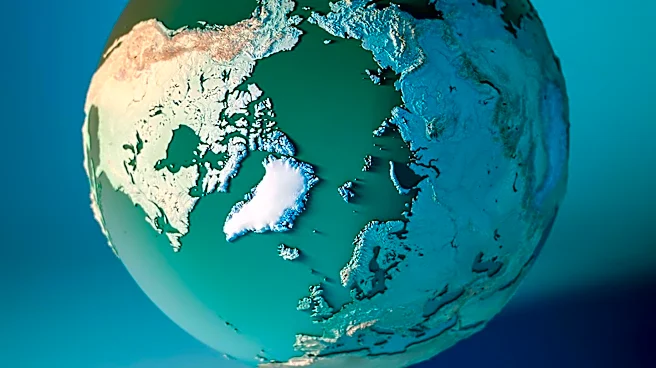
The Trump administration has announced the cancellation of a key Arctic report, which has been published annually since 2006. This report, considered a reference for understanding the state of the Arctic, was last published in 2025 and highlighted the region's
warmest year on record. The decision has been criticized by climate scientists, including Rick Spinrad, a former NOAA official, who argues that the move imposes ignorance on critical climate change indicators. Despite the cancellation, NOAA has stated that historical data will remain accessible to the public. The report's cancellation is part of a broader pattern of actions by the Trump administration perceived as undermining climate science, including attempts to dismantle a Colorado climate lab and the rollback of emissions regulations.
Why It's Important?
The cancellation of the Arctic report is significant as it represents a continued effort by the Trump administration to downplay climate science, which could have long-term implications for environmental policy and research. The Arctic serves as a critical indicator of climate change, and the absence of this report may hinder efforts to track and respond to environmental changes. This decision could impact U.S. leadership in global climate initiatives and affect international cooperation on climate issues. The scientific community, which relies on such reports for data and policy recommendations, may face challenges in advocating for necessary climate action without federal support.
What's Next?
In response to the cancellation, scientists, including Twila Moon from the University of Colorado, are exploring alternative ways to publish the Arctic report independently of federal support. This initiative reflects a broader trend of scientists seeking to preserve and disseminate climate data despite governmental obstacles. The scientific community may increase collaboration with international partners to ensure continued monitoring of the Arctic. Additionally, the decision may prompt further legal and political challenges as environmental groups and policymakers push back against the administration's climate policies.