








What's Happening?
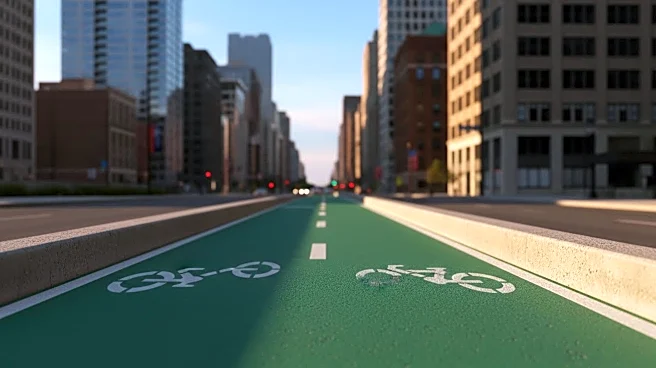
In Chicago, the implementation of segregated bike lanes has sparked a debate among residents regarding their impact on traffic and safety. Some residents argue that these lanes reduce necessary space for cars, potentially hindering emergency vehicle access
and increasing congestion. Others highlight the benefits of bike lanes in promoting cycling as a viable transportation option, which can reduce the number of cars on the road. The city has seen a significant increase in biking, with a 119% rise in cycling from 2019 to 2023, according to a study by the city's Department of Transportation. However, concerns have been raised about the behavior of cyclists, particularly those on fat-tire e-bikes, which are often used by delivery services and are seen as a nuisance due to their reckless riding habits.
Why It's Important?
The discussion around bike lanes in Chicago is crucial as it touches on broader issues of urban planning, transportation policy, and public safety. The increase in cycling reflects a shift towards more sustainable and health-conscious modes of transportation, which can alleviate traffic congestion and reduce carbon emissions. However, the challenges posed by the integration of different transportation modes, such as cars, bikes, and e-bikes, highlight the need for effective regulation and infrastructure maintenance. The city's ability to balance these needs will impact its residents' quality of life and could serve as a model for other urban areas facing similar challenges.
What's Next?
As the debate continues, Chicago's city leaders may need to consider revising traffic regulations and enhancing enforcement to address the concerns raised by residents. This could involve stricter rules for e-bike usage and improved maintenance of bike lanes, especially during winter months. Additionally, the city might explore expanding its cycling infrastructure to accommodate the growing number of cyclists while ensuring the safety and efficiency of all road users. The outcome of these discussions could influence future transportation policies and urban development strategies in Chicago.
Beyond the Headlines
The controversy over bike lanes in Chicago also raises questions about the cultural and social dynamics of urban living. The push for more bike-friendly cities reflects a broader trend towards prioritizing pedestrian and cyclist needs over car-centric planning. This shift challenges traditional notions of urban space allocation and requires a reevaluation of how cities are designed to accommodate diverse transportation modes. The debate also underscores the importance of community engagement in shaping public policy, as residents' voices play a critical role in determining the future of their neighborhoods.