





What's Happening?
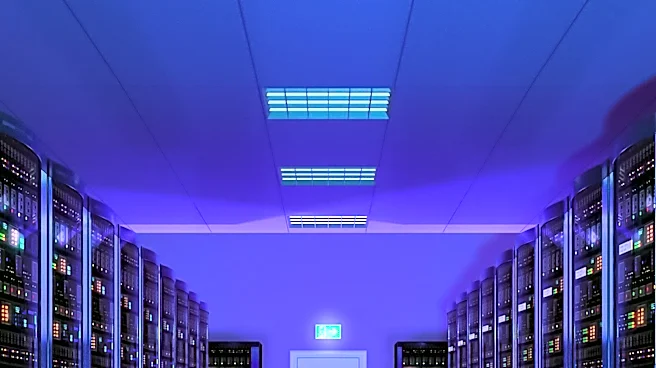
Recent analysis indicates that the growing demand from data centers is contributing to rising power bills in the U.S. The Electric Power Research Institute (EPRI) found that while data centers have not yet increased electricity rates, future supply constraints
could lead to higher consumer prices. A report by Grid Strategies highlights that data centers are responsible for a significant portion of the projected increase in electricity demand, with the U.S. grid currently unable to meet this demand due to insufficient transmission infrastructure. The Joint Legislative Audit and Review Commission (JLARC) projects that residential customers could see their bills increase by $14 to $37 per month by 2040, primarily due to infrastructure challenges rather than the data centers themselves.
Why It's Important?
The rising demand from data centers poses significant challenges for the U.S. electrical grid, which is currently under-equipped to handle such growth. This situation underscores the need for substantial investment in infrastructure to prevent potential increases in electricity prices. The debate around data centers also reflects broader concerns about technological advancements and their impact on living costs. As data centers continue to expand, they highlight existing issues within the energy sector, such as the need for more efficient transmission and generation capabilities. The economic implications are vast, affecting both consumers and the energy industry, with potential policy changes on the horizon to address these challenges.
What's Next?
To mitigate the potential impact on electricity prices, there is a pressing need for regulatory bodies to facilitate the expansion of supply to match the growing demand. This includes reforms in permitting processes and investments in transmission infrastructure. Additionally, there is a call for policies that ensure large consumers, like data centers, contribute fairly to infrastructure costs. As the demand for data centers continues to rise, stakeholders, including government agencies and energy companies, must collaborate to develop sustainable solutions that balance technological growth with economic stability.
Beyond the Headlines
The controversy surrounding data centers also touches on environmental concerns, such as water usage and carbon emissions. While data centers consume a relatively small percentage of national water resources, their local impact can be significant, especially in areas with limited water supply. Moreover, the carbon footprint of data centers is a growing concern, with emissions largely dependent on the energy sources used. These issues highlight the need for comprehensive strategies that address both the economic and environmental impacts of data centers, ensuring that technological advancements do not come at the expense of sustainability.