


What's Happening?
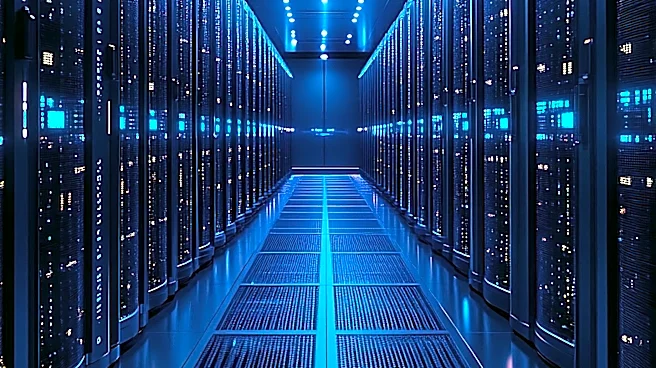
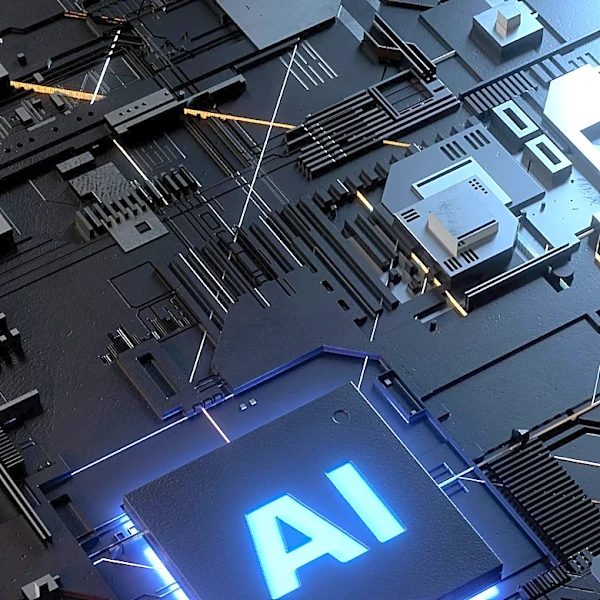
U.S. data centers are projected to account for nearly half of the country's electricity demand growth through 2030, according to the International Energy Agency (IEA). This surge is primarily driven by the rapid expansion of artificial intelligence (AI)
and energy-intensive data centers. Globally, data center electricity demand is expected to more than double by 2030, reaching approximately 945 terawatt-hours annually. This substantial increase in energy consumption by the tech sector, often referred to as 'Big Tech,' is becoming a critical factor in discussions around global electrification targets, such as those considered at COP31. The IEA's projections highlight a significant challenge: ensuring that this growing demand is met by renewable energy sources rather than leading to an expansion of fossil fuel infrastructure. The current trajectory suggests that without a substantial increase in renewable energy capacity, the energy appetite of data centers could hinder efforts to replace existing fossil fuel generation.
Why It's Important?
The projected increase in electricity demand from U.S. data centers has significant implications for the nation's energy infrastructure, climate goals, and economic landscape. If this demand is primarily met by fossil fuels, it could undermine efforts to transition to a cleaner energy economy and exacerbate climate change. Fossil fuel companies are already leveraging these projections to advocate for new fossil gas infrastructure, potentially locking in carbon emissions for decades. Conversely, a successful shift to powering data centers with renewable energy could accelerate the development and deployment of clean energy technologies, creating new jobs and fostering innovation in the renewable sector. The debate over 'more electricity for whom, and powered by what' underscores a fundamental tension between technological advancement and environmental sustainability. The outcome will influence energy policy, investment in renewable infrastructure, and the overall pace of decarbonization in the U.S., impacting both environmental stakeholders and the energy industry.
What's Next?
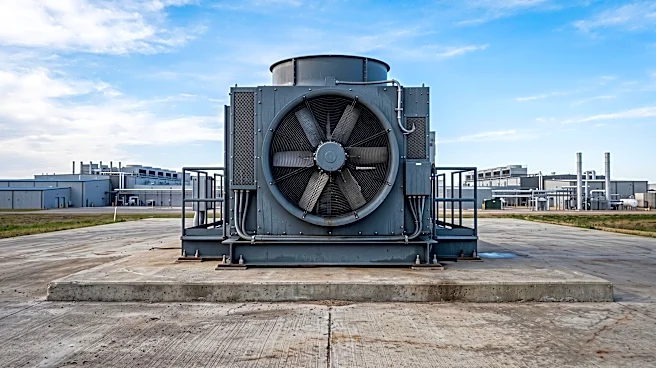
As governments and industries grapple with the escalating energy demands of data centers and AI, future actions will likely focus on two main areas: increasing renewable energy supply and optimizing energy efficiency within the tech sector. Discussions at international forums like COP31 will continue to emphasize the need for electrification targets that prioritize renewable energy and support fossil fuel phase-out, rather than enabling increased corporate electricity consumption from non-renewable sources. Policymakers may explore incentives for data centers to adopt renewable energy solutions and implement stricter regulations on energy efficiency. The tech industry, in turn, may invest more heavily in energy-saving technologies and explore innovative approaches to power their operations, such as developing more efficient AI algorithms and optimizing data center cooling systems. The coming years will see a critical push to ensure that the growth of the digital economy aligns with national and global climate objectives.
Beyond the Headlines
The burgeoning energy consumption of data centers and AI raises deeper questions about the societal cost of technological advancement and the equitable distribution of energy resources. The concern that 'an electrification target must not become a blank check for unlimited corporate electricity consumption or another excuse to build new fossil gas infrastructure' highlights a potential ethical dilemma. It prompts a re-evaluation of whether energy access should prioritize corporate profits or serve the broader public good, including communities historically underserved by energy infrastructure. This situation could also spur innovation in energy management and sustainable computing, pushing the boundaries of how technology can be developed and deployed with minimal environmental impact. The long-term implications extend to urban planning, as the siting of data centers becomes increasingly critical, and to the development of smart grids capable of handling fluctuating renewable energy inputs and massive, concentrated loads.