





What's Happening?
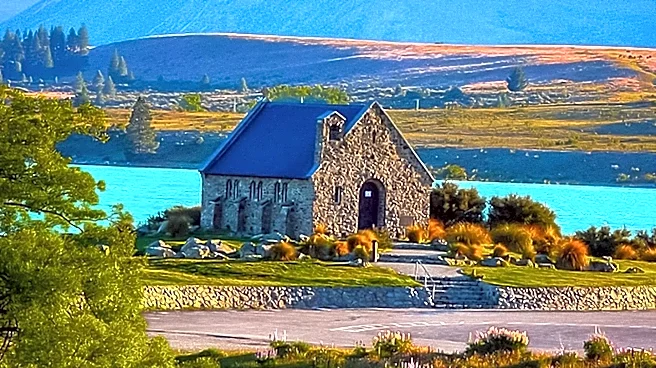
Residents of Tekapo are increasingly concerned that overtourism is negatively affecting their quality of life. The allure of the area is driving a significant tourism boom, leading to a situation where locals feel they are living in 'islands' surrounded
by tourist accommodation. This sentiment highlights a growing tension between the economic benefits of tourism and the social and environmental costs borne by the local community. The issue of overtourism is not merely about the number of visitors but encompasses the strain on local resources, infrastructure, and the overall living experience for permanent residents. The rapid expansion of tourist facilities and accommodations is altering the character of the town and creating challenges for those who call Tekapo home.
Why It's Important?
The situation in Tekapo underscores a critical challenge faced by many popular tourist destinations globally, including those in the U.S.: balancing economic growth from tourism with the preservation of local community well-being and environmental sustainability. Unchecked tourism growth can lead to inflated housing costs, increased traffic congestion, strain on public services, and a diminished sense of community for residents. For U.S. destinations, particularly national parks and scenic towns, the Tekapo experience serves as a cautionary tale, emphasizing the need for proactive management strategies to prevent similar issues. The long-term viability of tourism in such areas depends on maintaining a harmonious relationship between visitors and residents, ensuring that the local environment and culture are not irrevocably harmed by the influx of tourists. This issue impacts local economies, social structures, and the natural environment, making it a multifaceted concern for policymakers and community leaders.
What's Next?
Addressing the concerns of Tekapo residents will likely require a multi-faceted approach involving local authorities, tourism operators, and community representatives. Potential next steps could include implementing stricter zoning regulations for new tourist accommodations, exploring alternative tourism models that prioritize sustainable practices, and investing in infrastructure improvements to better manage visitor flow. Discussions may also focus on developing policies that support affordable housing for locals and mitigate the impact of short-term rentals. Furthermore, there could be efforts to educate tourists on responsible travel practices to minimize their footprint. The outcome of these discussions and actions will be crucial in determining whether Tekapo can achieve a sustainable balance between its thriving tourism industry and the quality of life for its residents, potentially setting a precedent for other destinations grappling with similar challenges.
Beyond the Headlines
The 'overtourism' phenomenon in Tekapo reveals deeper societal and economic shifts. It highlights the tension between globalized travel trends and local community resilience. The rise of short-term rental platforms, while offering economic opportunities for some, often exacerbates housing crises and displaces long-term residents, fundamentally altering the social fabric of a place. This situation also brings to light the ethical considerations of tourism development: at what point does economic gain outweigh the well-being of a community? The long-term implications could include a loss of local identity, environmental degradation, and a decline in the quality of the visitor experience itself as destinations become overcrowded and less authentic. This calls for a re-evaluation of tourism models, moving towards regenerative tourism that actively contributes to the well-being of both the environment and the local population, rather than simply extracting value.