


What's Happening?
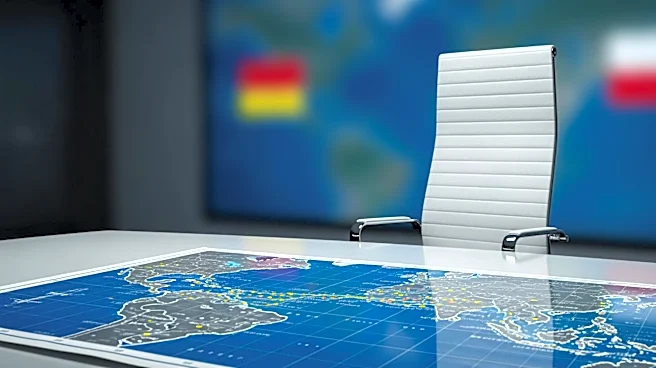
The United Kingdom is hosting a virtual meeting with 35 countries to discuss reopening the Strait of Hormuz, a critical waterway for global oil transport. The meeting, chaired by British Foreign Minister Yvette Cooper, aims to form a coalition to ensure
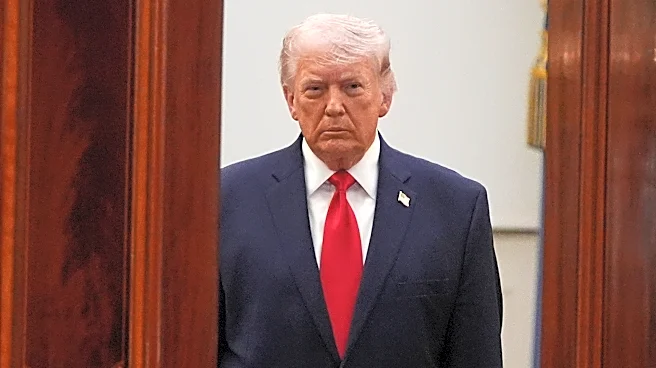
the freedom of navigation in the area. The United States is notably absent from the talks, following President Trump's statement that securing the Strait is a responsibility for other nations. The closure of the Strait by Iran, in retaliation for US-Israeli strikes, has led to soaring energy prices, prompting international efforts to address the situation.
Why It's Important?
The closure of the Strait of Hormuz has significant implications for global energy markets, as it is a vital route for oil transportation. The absence of the US from these talks marks a shift in international dynamics, potentially affecting geopolitical alliances and strategies. The situation underscores the importance of international cooperation in maintaining global trade routes and energy security. The outcome of these discussions could influence global oil prices and economic stability, highlighting the interconnectedness of international relations and economic policies.
What's Next?
The talks are expected to lead to more detailed discussions involving military planners to ensure the Strait is free of mines and safe for tanker passage. The coalition's efforts will focus on diplomatic and political measures to restore navigation freedom. The international community will closely monitor the situation, as the resolution of this issue is crucial for stabilizing energy markets and preventing further economic disruptions.