




What's Happening?
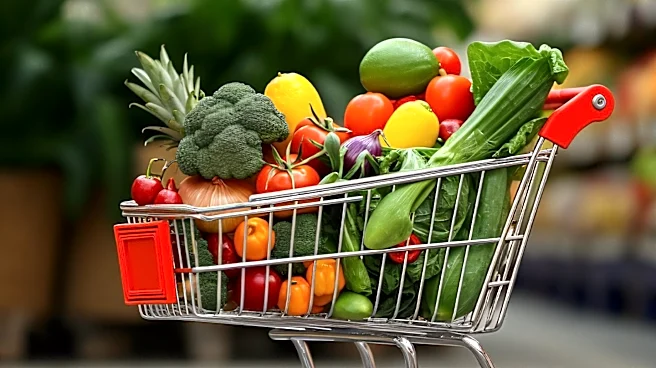
The Supplemental Nutrition Assistance Program (SNAP), the largest food assistance program in the U.S., is undergoing significant changes due to the One Big Beautiful Bill Act. Since the act's implementation, SNAP participation has declined by 11%, with
over 4 million people losing benefits between last July and April. The act introduced stricter work requirements and reduced eligibility for certain groups, including some immigrants. Starting in October, states will face increased financial burdens as they will be required to cover a larger share of administrative costs, potentially leading to further reductions in SNAP participation.
Why It's Important?
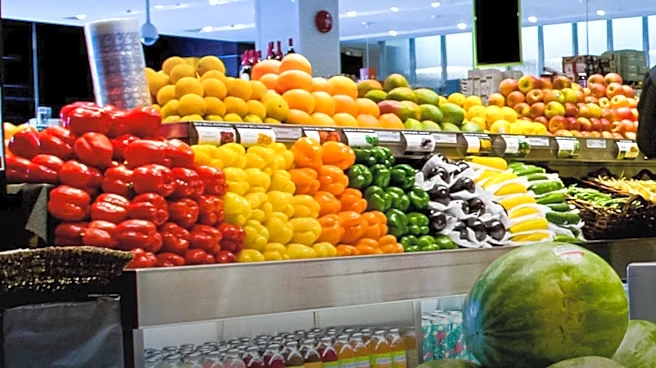
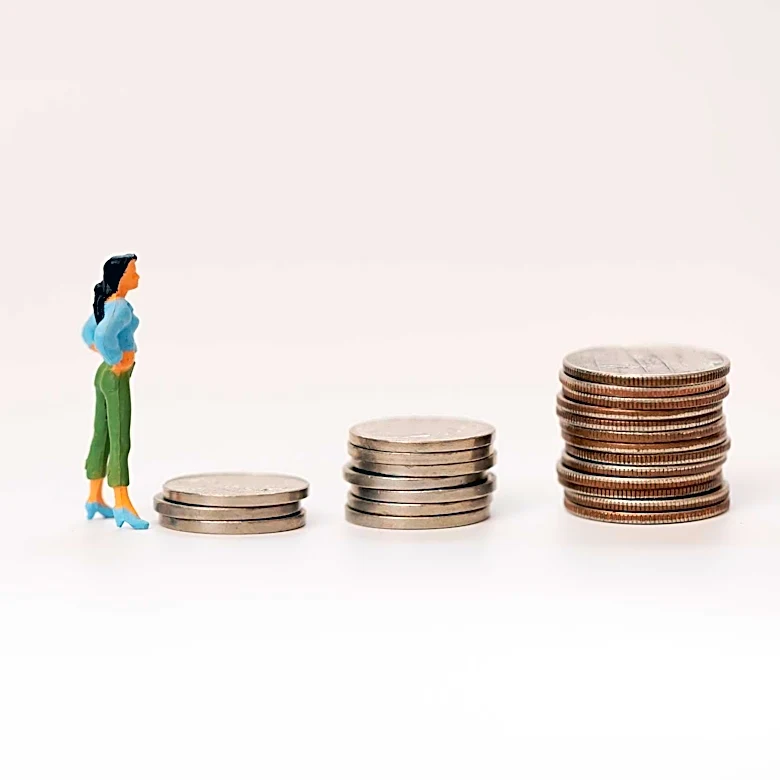
The changes to SNAP have far-reaching implications for food security in the U.S., particularly affecting low-income families, children, and vulnerable populations. As states grapple with increased costs, there is a risk of reduced access to food assistance, which could exacerbate food insecurity and strain food banks. The policy shift also poses challenges for state budgets, potentially leading to higher taxes or cuts in other services. The reduction in SNAP benefits could impact grocery store sales, with an estimated $88 billion loss nationwide through 2034, affecting local economies.
What's Next?
As the October deadline approaches, states will need to assess their ability to meet the new financial requirements. Some may consider narrowing eligibility further or withdrawing from the program, which could lead to increased reliance on food banks and other community resources. Advocacy groups and policymakers may push for federal intervention to delay or modify the new penalties. The ongoing changes will likely prompt discussions on the future of food assistance programs and the need for sustainable solutions to address food insecurity.