






What's Happening?
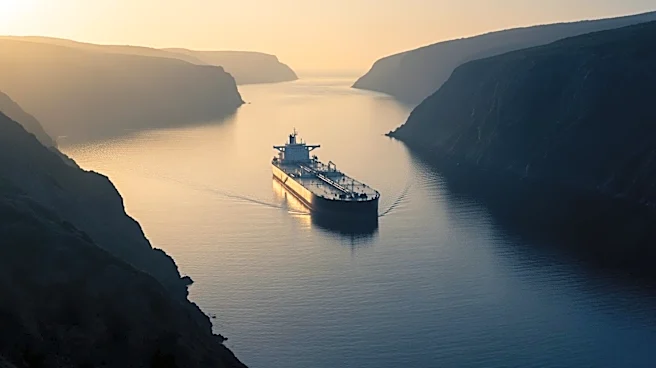
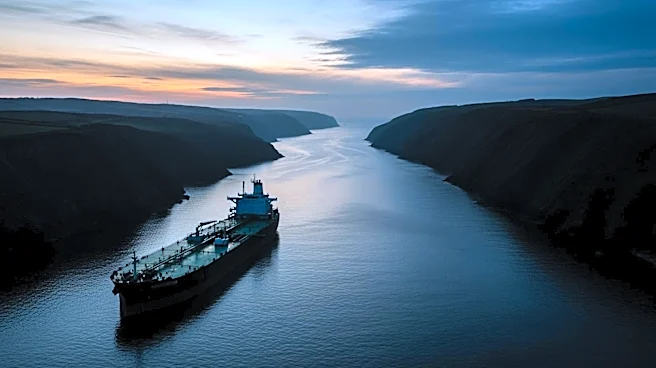
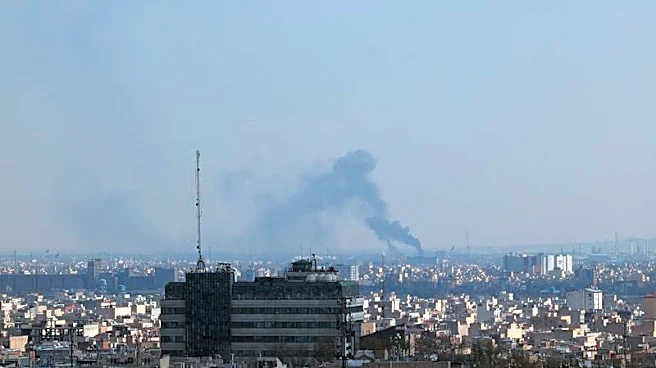
The global energy crisis has intensified due to the near-closure of the Strait of Hormuz, a critical passage for oil and gas transportation. This situation has removed 9 to 10 million barrels of crude oil from global markets daily, exacerbating the crisis beyond
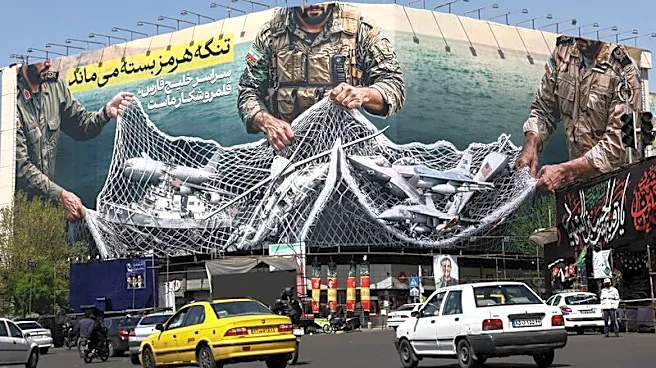
the levels seen during the Arab oil embargo of 1973 and the Russian gas cutoff following the 2022 invasion of Ukraine. The crisis has led to significant shortages in liquefied natural gas, refined products like diesel and jet fuel, and essential materials such as fertilizers and petrochemical feedstocks. Countries like Sri Lanka, Thailand, and Pakistan have adopted measures such as a four-day workweek to conserve energy, while factories in Malaysia and Indonesia are reducing capacity. The crisis highlights the vulnerability of global energy supplies to geopolitical tensions, particularly in the Gulf region.
Why It's Important?
The current energy crisis underscores the critical need for diversified and resilient energy infrastructure. The reliance on the Strait of Hormuz for a significant portion of the world's energy supply has exposed vulnerabilities that can have widespread economic and social impacts. The shortages in energy and related products affect not only transportation and manufacturing but also agriculture and healthcare, as seen in the scarcity of fertilizers and helium for medical equipment. The crisis calls for international cooperation to invest in alternative energy corridors and infrastructure that bypass the Strait of Hormuz, ensuring a stable and secure energy supply. Such investments are crucial for maintaining global economic stability and preventing future disruptions.
What's Next?
To address the crisis, there is a pressing need for international collaboration to expand existing pipeline capacities and develop new infrastructure that can bypass the Strait of Hormuz. This includes doubling the capacity of pipelines like Saudi Arabia's Petroline and the UAE's Abu Dhabi Crude Oil Pipeline, as well as constructing new corridors for regions currently without bypass options. The United States, along with other global stakeholders, is encouraged to lead these efforts, leveraging diplomatic and financial resources to facilitate the necessary investments. The outcome of these initiatives will determine the resilience of global energy supplies and the ability to mitigate similar crises in the future.
Beyond the Headlines
The crisis also highlights the ongoing debate between fossil fuel dependency and the transition to renewable energy. While some environmentalists argue against new fossil fuel infrastructure, the reality is that current energy demands still heavily rely on oil and gas. The crisis demonstrates the need for a balanced approach that secures existing energy supply chains while accelerating the transition to renewable energy. This dual strategy is essential to meet growing energy demands and ensure long-term sustainability.