



What's Happening?
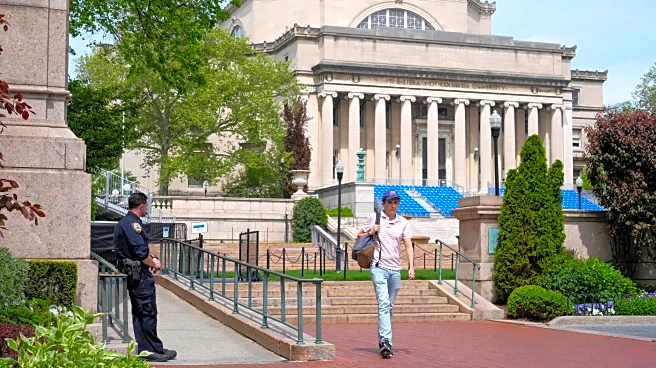
A Columbia University student, Elmina Aghayeva, was detained by U.S. Immigration and Customs Enforcement (ICE) agents who allegedly posed as New York Police Department officers to gain entry into her university housing. The incident occurred early on a Thursday
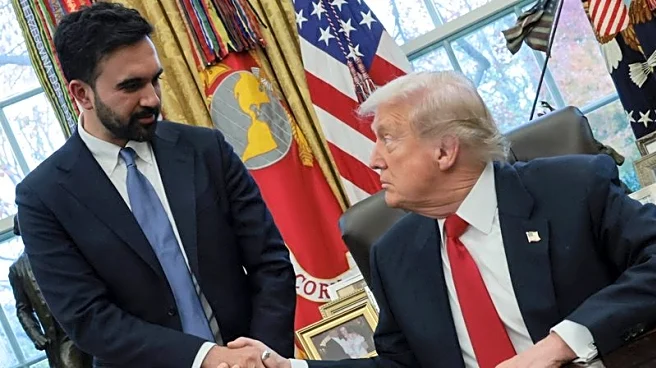
morning, leading to her arrest for not having a proper student visa. The agents reportedly used false pretenses, claiming to search for a 'missing person,' to enter the building. This action sparked protests on campus and drew criticism from local officials. New York City Mayor Zohran Mamdani intervened, discussing the matter with President Trump, which resulted in Aghayeva's release from federal custody. The Department of Homeland Security stated that Aghayeva had no pending appeals or applications with them, and the building manager and her roommate allowed officers into the apartment.
Why It's Important?
This incident highlights significant concerns about the methods used by federal immigration authorities, particularly the alleged misrepresentation by ICE agents. The situation underscores the tension between immigration enforcement and the rights of international students in the U.S. It raises questions about the legality and ethics of such enforcement tactics, potentially violating Fourth Amendment rights. The involvement of high-level officials, including the President, in securing Aghayeva's release, indicates the political sensitivity and public scrutiny surrounding immigration enforcement practices. This case could influence future policies and practices regarding the treatment of international students and the conduct of federal agents.
What's Next?
The incident may lead to increased calls for oversight and reform of ICE practices, particularly regarding the use of deceptive tactics. Universities and local governments might implement stricter protocols to protect students from similar situations. There could be legal challenges or investigations into the actions of the ICE agents involved. Additionally, this case might prompt broader discussions on immigration policy and the rights of international students, potentially influencing legislative or executive actions to address these issues.
Beyond the Headlines
The case of Elmina Aghayeva could have long-term implications for the relationship between federal immigration authorities and educational institutions. It may prompt universities to reassess their policies on cooperating with law enforcement and protecting student rights. The incident also highlights the precarious position of international students in the U.S., who may face legal and bureaucratic challenges despite their contributions to academic and cultural life. This situation could lead to increased advocacy for the rights of international students and a reevaluation of immigration policies affecting them.