





What's Happening?
Baby Boomers, defined by the U.S. Census Bureau as individuals born between 1946 and 1964, have significantly shaped American society and continue to do so as they age. This generation, which peaked at 78.8 million in 1999 and is projected to be around
64.4 million in 2025, has demonstrated a forward-thinking approach to various aspects of life. According to YourTango, Boomers were politically active, challenged the status quo, and championed social change, including fighting on the front lines of the Civil Rights movement and advocating for women's equal rights. They also questioned government authority during events like the Vietnam War and Watergate. In their younger years, they popularized holistic lifestyles such as macrobiotic food, yoga, and transcendental meditation. As they age, their focus on health and well-being persists, with a significant portion of their $2.6 trillion buying power in 2020 directed towards the self-care industry, including eye care, skin care, and heart health products. Boomers also influenced social conventions by living together before marriage and reducing the stigma around divorce, leading to a rise in 'gray divorces' among older adults.
Why It's Important?
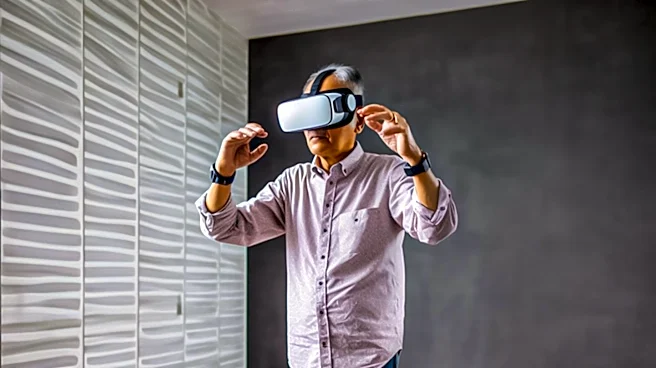
The evolving characteristics and behaviors of Baby Boomers hold significant implications for U.S. industries, public policy, and societal structures. Their sustained focus on health and wellness drives demand in the healthcare, pharmaceutical, and self-care sectors, influencing product development and marketing strategies. The trend of 'gray divorces' and non-traditional family structures among Boomers impacts legal services, housing markets, and social support systems, necessitating adaptations in how these services are provided. Furthermore, their historical role in challenging norms and advocating for social change has laid groundwork for subsequent generations, influencing political discourse and activism. Economically, their substantial buying power continues to be a critical factor, even as their population shrinks. Their impact on the tech industry, with figures like Steve Wozniak and Steve Jobs (Boomers themselves) pioneering personal computing, underscores their lasting influence on innovation and digital adoption across age groups.
What's Next?
As the Baby Boomer generation continues to age, several trends are expected to intensify. The last Boomers will turn 65 in 2029, marking the end of a significant wave of Americans entering retirement age, which will continue to impact healthcare, housing, and the labor force. The Census Bureau projects the number of people aged 65 and older to reach 82 million by 2050, a 42% rise from 2022, driven in part by Boomers. This demographic shift will place increasing demands on social security, Medicare, and long-term care services. Their continued emphasis on self-care and active lifestyles will likely fuel further innovation in age-friendly products and services. Socially, their redefinition of retirement and family life, including embracing non-traditional family structures and active post-retirement lives, will likely continue to challenge traditional notions of aging and contribute to a more diverse and flexible societal landscape for older adults.
Beyond the Headlines
Beyond the immediate economic and social impacts, the legacy of the Baby Boomer generation extends to deeper cultural and ethical considerations. Their early activism in civil rights and environmentalism established precedents for social justice movements and environmental consciousness that resonate today. The shift in attitudes towards marriage and divorce, initiated by Boomers, has fundamentally altered family dynamics and societal expectations around relationships. Their pioneering role in technology, particularly in the early days of personal computing, laid the foundation for the digital age, influencing how all subsequent generations interact with information and each other. The ongoing narrative surrounding Boomers, sometimes characterized by the 'OK Boomer' meme, highlights intergenerational tensions and differing perspectives on societal progress and responsibility, underscoring a complex cultural dialogue about generational contributions and challenges.