







What's Happening?
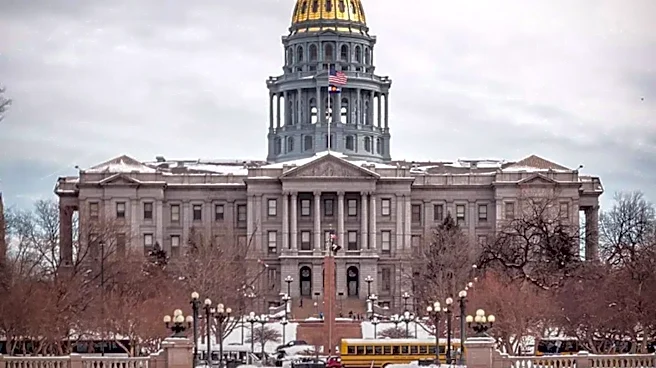
Colorado Governor Jared Polis announced the official launch of the myColorado Mobile Driver License (mDL), which is now accepted at Denver International Airport and 250 other participating airports across the United States for TSA checkpoints. This digital
identity offering allows residents to pass airport security by scanning a QR code and undergoing a live photo verification at the checkpoint reader. The system is designed to verify identity, flight details, and screening type, aiming for a more streamlined and convenient experience. Governor Polis emphasized that the app was developed in compliance with international identity verification standards, ensuring seamless and privacy-focused screening without the need for travelers to present physical IDs, boarding passes, or even their smartphones directly to agents. The mDL also serves as a secure digital backup in cases of lost or stolen physical identification. The myColorado app already provides access to various digital services, including hunting and fishing licenses, vehicle registrations, and age verification, with over 2 million Coloradans currently utilizing it.
Why It's Important?
The introduction of the myColorado Mobile Driver License at airport security checkpoints marks a significant step forward in digital identity verification within the U.S. travel sector. This initiative enhances convenience for Coloradans by simplifying the airport security process, potentially reducing wait times and the hassle associated with physical document checks. From a security standpoint, the digital credential offers enhanced authentication features, including QR code scanning and live photo verification, which can bolster efforts to prevent identity fraud. The broader adoption of such mobile IDs could set a precedent for other states, driving a nationwide shift towards digital identification for various services. This move also highlights the increasing integration of technology into government services, aiming to improve efficiency and user experience. For the travel industry, particularly airports and airlines, this could lead to more efficient passenger flow and reduced operational complexities at security checkpoints. Furthermore, the secure digital authentication provides a reliable alternative for individuals who may lose their physical IDs, ensuring continuity of essential services and travel capabilities.
What's Next?
Following the successful launch and acceptance of the myColorado mDL at airports, the next phase will likely involve monitoring its performance and user adoption rates. The state may explore expanding the acceptance of the mDL to other sectors beyond airport security, such as retail transactions requiring age verification or interactions with state agencies. Other states will likely observe Colorado's experience, potentially leading to similar digital ID initiatives across the country, especially if the system proves to be efficient and secure. There may also be ongoing efforts to educate the public and various stakeholders about the functionality and benefits of the mDL to encourage wider usage. Continued collaboration with federal agencies like the TSA will be crucial to ensure sustained and expanded acceptance of digital IDs. Furthermore, the state may continue to enhance the myColorado app with additional features and services, further integrating digital solutions into daily life for its residents.
Beyond the Headlines
This development signifies a broader societal shift towards digital transformation and the increasing reliance on mobile technology for personal identification. The myColorado mDL raises important discussions about data privacy and security in the digital age, as personal information is now stored and accessed through mobile devices. While offering convenience, it also necessitates robust cybersecurity measures to protect against potential breaches and misuse of digital identities. The initiative could also influence policy discussions at the federal level regarding a standardized national digital ID system, potentially streamlining processes across state lines and federal services. Moreover, the move towards digital IDs could impact accessibility for different demographics, requiring equitable access to smartphones and digital literacy. The success of such programs hinges on public trust in the security and privacy protocols, as well as the reliability of the technology itself. This trend reflects a global movement towards digital governance, where governments leverage technology to deliver services more efficiently and securely, fundamentally altering how citizens interact with official institutions.