


What's Happening?
The Netherlands is set to enhance its military capabilities by integrating specialized drone operators and counter-drone units into its combat brigades starting in April. This initiative, announced by Dutch Chief of Defence Gen. Onno Eichelsheim, marks
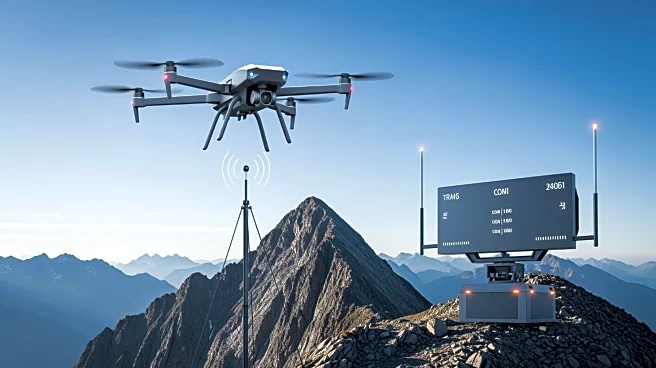
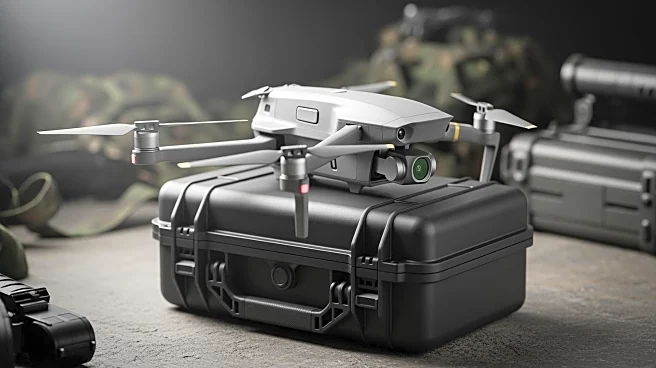
the Netherlands as the first country to take such a step. The Dutch armed forces, which already utilize drones in their operations, plan to significantly expand this capability by deploying 1,000 to 1,200 personnel specifically for drone and counter-drone operations. This move is influenced by the increasing role of drones in modern warfare, as evidenced by their extensive use in the Ukraine conflict and the Middle East. Eichelsheim emphasized the need for continuous adaptation and modernization of systems to effectively respond to evolving threats.
Why It's Important?
The integration of drone operators into combat brigades represents a significant shift in military strategy, reflecting the growing importance of unmanned systems in warfare. This development could enhance the Netherlands' military effectiveness and operational flexibility, potentially influencing other nations to adopt similar strategies. The move underscores the need for modern armed forces to adapt to technological advancements and changing battlefield dynamics. It also highlights the strategic importance of drones in contemporary conflicts, where they play a crucial role in surveillance, reconnaissance, and targeted strikes. The Netherlands' decision could have broader implications for NATO and European defense strategies, as allies may seek to bolster their own capabilities in response.
What's Next?
The Netherlands and its allies are currently assessing their capabilities to secure strategic areas such as the Strait of Hormuz. This assessment will inform policymakers about potential military options. As the planning process is in its early stages, further developments are expected as the Netherlands continues to refine its approach to drone warfare. The integration of drone operators may lead to increased collaboration with industry partners to ensure continuous system upgrades and adaptations. Additionally, the ongoing conflict in the Middle East and the strategic use of drones in Ukraine will likely continue to influence military strategies and defense policies across Europe.