

What's Happening?
In 2025, the Supreme Court's emergency docket, often referred to as the 'shadow docket,' has been a focal point due to numerous challenges to President Trump's actions. The court has frequently sided with the administration, issuing emergency orders that
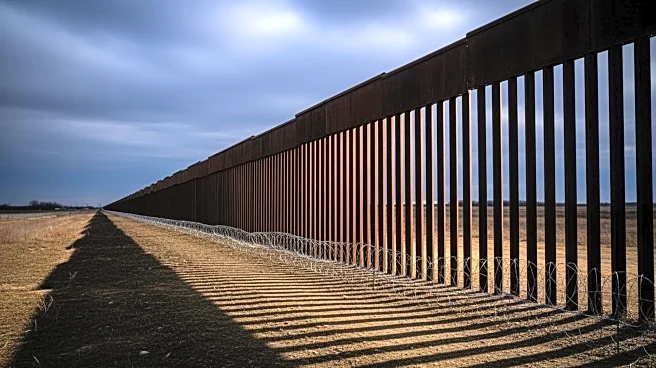
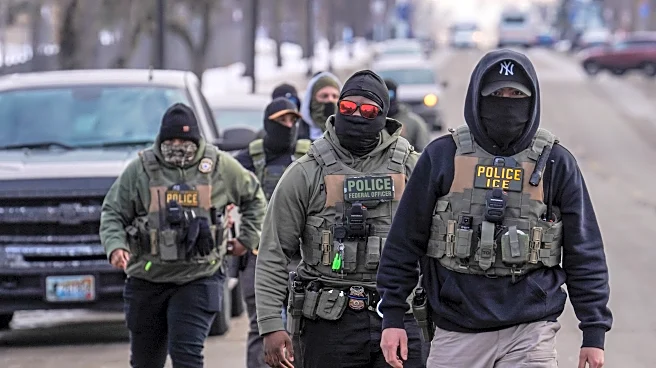
have bypassed traditional procedures. Notable moments include dissent from Justice Ketanji Brown Jackson, who criticized the court's approach as 'Calvinball jurisprudence.' The docket has seen the court pause lower court rulings on issues like agency firings and immigration enforcement, while also facing criticism for a lack of transparency in its decisions.
Why It's Important?
The Supreme Court's handling of the emergency docket has significant implications for the balance of power between the executive branch and the judiciary. The court's decisions have reinforced the Trump administration's policies, affecting areas such as immigration and foreign aid. The use of emergency orders raises concerns about judicial transparency and accountability, potentially undermining public trust in the judiciary. The court's approach may set precedents for how future administrations interact with the judiciary.
What's Next?
The Supreme Court is expected to continue addressing high-profile cases on its emergency docket, with potential rulings on tariffs and executive authority. The court's decisions will likely influence ongoing debates about the scope of presidential power and the role of the judiciary. Legal scholars and practitioners will be watching for any shifts in the court's approach to emergency orders and their implications for future cases.