





What's Happening?
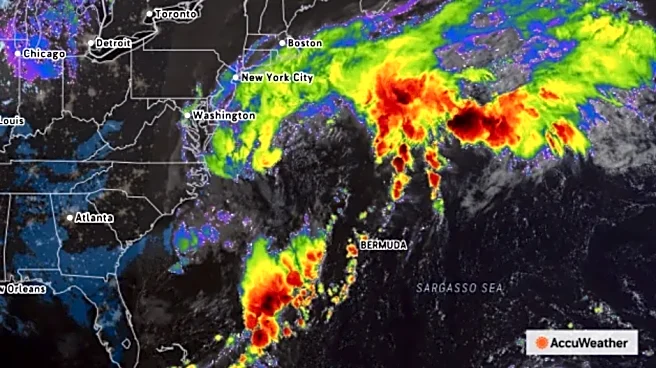
New Jersey Governor Phil Murphy, alongside New York Governor Kathy Hochul, declared a state of emergency on Friday for counties expected to be severely impacted by a powerful nor'easter. This storm has been battering the U.S. East Coast, extending from
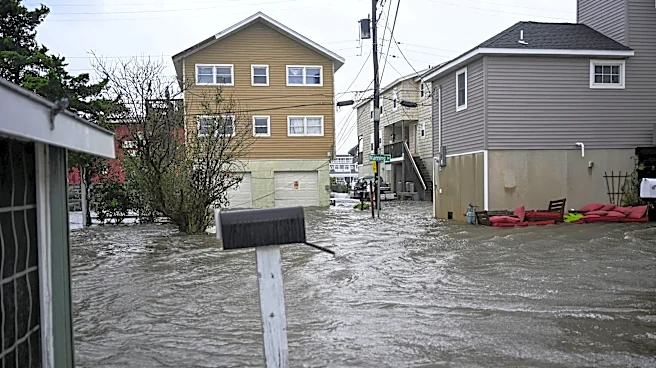
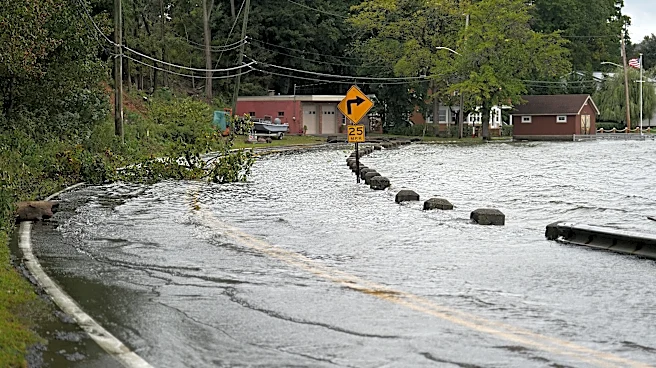
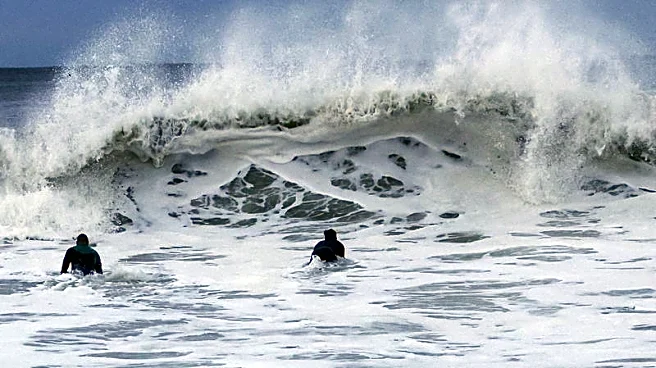
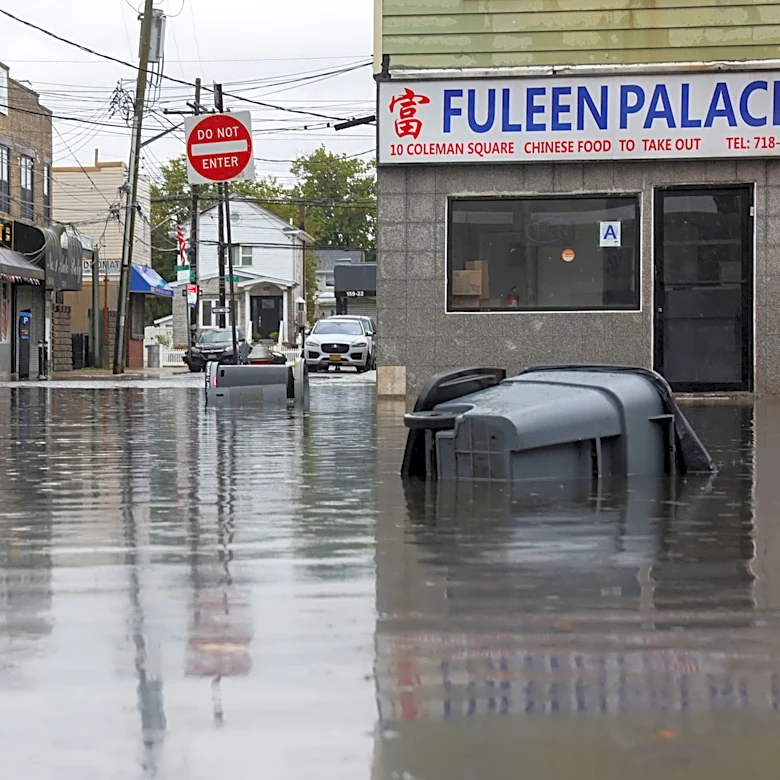
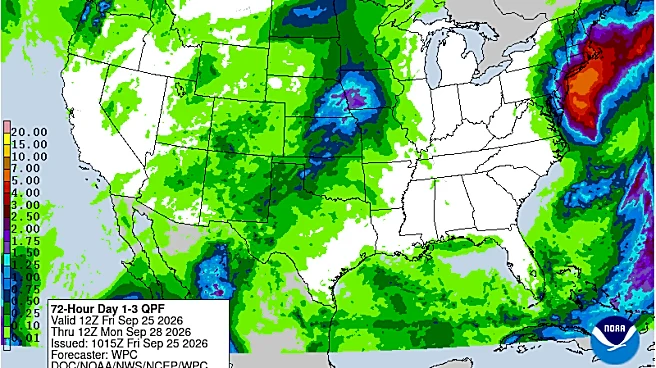
Washington, D.C., to Maine, over the weekend. The severe weather has led to significant disruptions, including the cancellation of approximately 425 flights involving U.S. airports and delays for 1,338 others on Saturday. Furthermore, the storm has caused widespread power outages, affecting over 100,000 homes and businesses. As of Saturday afternoon, more than 88,000 homes and businesses across New Jersey, Connecticut, New York, and Pennsylvania remained without electricity. The U.S. National Weather Service has issued warnings for continued coastal flooding, dangerous rip currents, strong wind gusts, and heavy rain across the Mid-Atlantic and New England regions through Monday.
Why It's Important?
The declaration of a state of emergency by Governor Murphy underscores the immediate and severe impact of the nor'easter on critical infrastructure and public safety in New Jersey and the broader East Coast. The extensive power outages disrupt daily life for tens of thousands of residents and businesses, leading to economic losses and potential health and safety concerns, especially for vulnerable populations. The widespread flight cancellations and delays significantly affect travel and commerce, causing ripple effects across national transportation networks. The ongoing warnings for coastal flooding and dangerous rip currents highlight the environmental and economic vulnerability of coastal communities, necessitating substantial resources for emergency response and potential long-term recovery efforts. This event demonstrates the critical role of state leadership in coordinating emergency services and protecting citizens during natural disasters.
What's Next?
Emergency response teams in New Jersey and other affected states will continue working to restore power to the remaining tens of thousands of utility customers. Residents in the Mid-Atlantic and New England regions are advised to remain vigilant as the U.S. National Weather Service predicts continued coastal flooding, strong wind gusts, and heavy rain through Monday. Authorities will likely assess the full extent of the damage in the coming days, which may lead to further declarations or requests for federal assistance. Travelers should anticipate ongoing disruptions to air travel and monitor updates from airlines and airports. The focus will remain on ensuring public safety, clearing debris, and restoring essential services, with potential long-term recovery efforts to follow in the most severely impacted areas.
Beyond the Headlines
Beyond the immediate disruptions, this nor'easter highlights the increasing frequency and intensity of extreme weather events, raising questions about climate resilience and infrastructure preparedness in densely populated coastal regions. The repeated strain on power grids and transportation systems could prompt further investment in modernizing infrastructure to withstand future climate challenges. The event also underscores the importance of inter-state coordination in emergency response, as the storm's impact spans multiple states. Furthermore, the economic toll on small businesses and local economies due to power outages and travel disruptions may lead to discussions about enhanced support mechanisms for affected enterprises. The long-term implications could include shifts in urban planning and coastal development strategies to mitigate risks from severe weather.