







What's Happening?
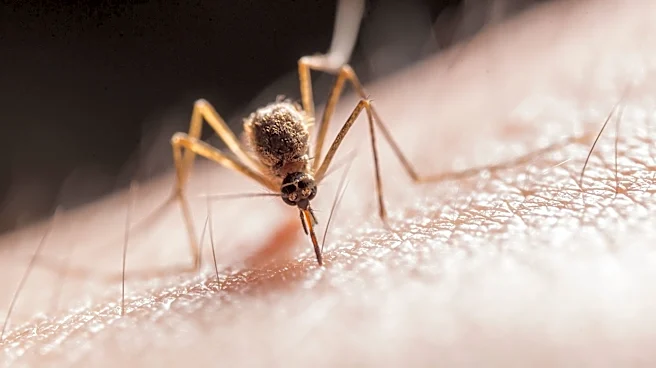
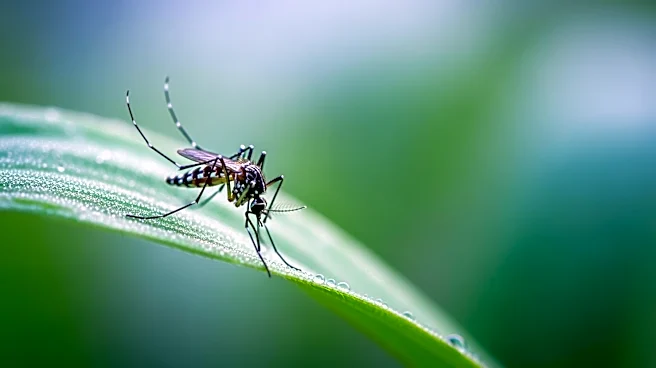
The first detection of West Nile virus in mosquitoes for the season has been reported in Wilmette, Illinois, after a mosquito sample pool tested positive on June 16. Additional positive samples were found in Evanston and Northbrook. These findings are
part of the 217 total pools tested from various North Shore municipalities, as stated by Mark Clifton, executive director of the North Shore Mosquito Abatement District. Each pool contains approximately 50 mosquitoes. Health officials note that while many infected individuals show no symptoms, those who do may experience fever, chills, headache, body aches, fatigue, joint pain, nausea, vomiting, and skin rash. Symptoms typically appear two to six days after being bitten, but can manifest up to two weeks later. Clifton mentioned that detections are expected to increase as the season progresses, with the virus becoming more prevalent in the hotter months.
Why It's Important?
The presence of West Nile virus in mosquitoes is a significant public health concern, as it is the leading cause of mosquito-borne disease in the United States. The virus can lead to severe health issues, and in some cases, fatalities. The detection of the virus early in the season allows for preventive measures to be implemented, potentially reducing the risk of human infections. The North Shore Mosquito Abatement District advises the public to use EPA-registered insect repellent, wear loose-fitting clothing, and avoid peak mosquito feeding times to minimize exposure. The virus's spread is facilitated by warmer temperatures, which accelerate the mosquito and viral life cycles, and by migrating birds, which can carry the virus over long distances.
What's Next?
As the summer progresses and temperatures rise, the prevalence of West Nile virus is expected to increase. Health officials will continue to monitor mosquito populations and test for the virus. Public health advisories may become more urgent if higher levels of the virus are detected. Residents are encouraged to eliminate standing water on their properties to reduce mosquito breeding grounds. The North Shore Mosquito Abatement District will likely intensify its efforts to control mosquito populations and inform the public about protective measures. Continued surveillance and public cooperation are crucial in managing the risk of West Nile virus transmission.