





What's Happening?
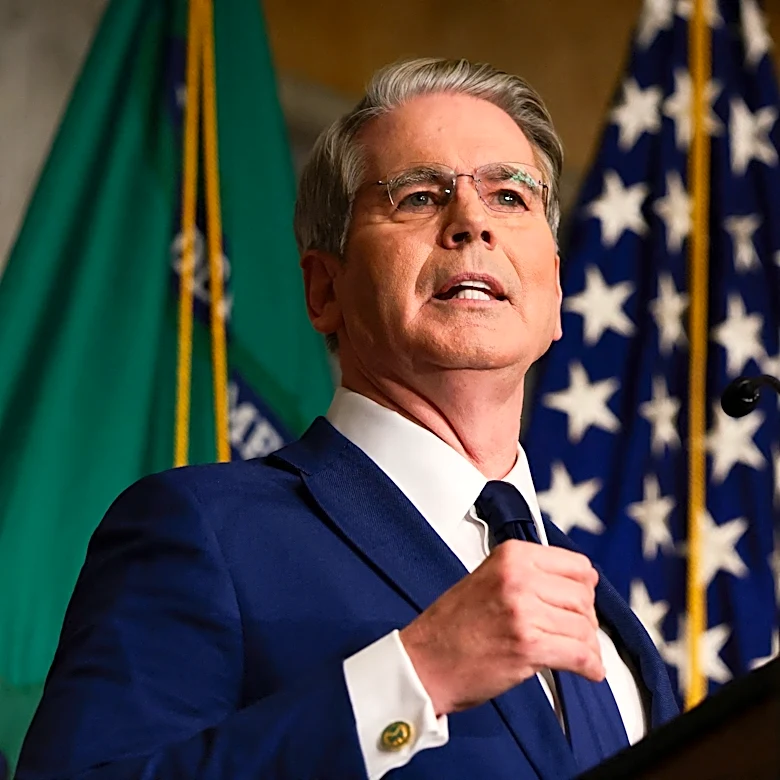
U.S. Senator John Boozman (R-AR), Chairman of the Senate Committee on Agriculture, Nutrition, and Forestry, participated in a panel discussion in Grand Rapids, Michigan. The event, organized by Americans for Prosperity-Michigan (AFP-MI), brought together
Michigan farmers, ranchers, and small-business owners to discuss the agricultural economy. Senator Boozman, who is currently drafting the Agricultural Act of 2026, listened to direct feedback from the agricultural community regarding the challenges they face. Former Congressman Mike Rogers also joined the discussion, highlighting issues such as permitting delays and rising energy costs that impact farm margins. AFP-MI State Director Tim Golding emphasized the need for affordable energy, streamlined permitting processes, and open markets to support Michigan's agricultural sector, rather than relying on programs that reimburse for the costs of unfavorable policies. The discussion aimed to ensure that the voices of those who will operate under the new agricultural legislation are heard before its finalization.
Why It's Important?
This engagement is crucial as Senator Boozman drafts the Agricultural Act of 2026, a significant piece of legislation that will shape the future of U.S. agriculture. By directly consulting with farmers and ranchers, the committee chairman gains firsthand insights into the economic realities and operational challenges faced by the industry. This direct feedback can influence the provisions of the bill, potentially leading to policies that better address issues such as input costs, market access, and regulatory burdens. For Michigan's agricultural sector, which operates with costs often set in Washington and prices determined globally, the legislation's impact on energy costs, permitting, and market access is paramount. The discussions underscore the ongoing tension between policy decisions made at the federal level and their tangible effects on local farming operations, highlighting the importance of legislative responsiveness to industry needs.
What's Next?
As Senator Boozman continues to draft the Agricultural Act of 2026, the insights gathered from this panel discussion in Michigan are likely to inform the bill's development. The legislative process will involve further consultations, committee hearings, and potential amendments as the bill moves through Congress. Stakeholders, including agricultural associations, environmental groups, and consumer advocates, will likely engage in lobbying efforts to influence the final text. Farmers and agricultural businesses will closely monitor the progress of the bill, as its provisions will directly affect their operational costs, market opportunities, and overall economic viability for years to come. The focus on affordable energy, permitting reform, and open markets suggests these will be key areas of debate and potential policy changes within the upcoming agricultural legislation.
Beyond the Headlines
The discussion in Grand Rapids highlights a broader trend in U.S. policymaking: the increasing emphasis on direct stakeholder engagement in the legislative process. By bringing the chairman of a key Senate committee directly to the affected community, there's an attempt to bridge the gap between federal policy formulation and on-the-ground realities. This approach can foster greater trust between lawmakers and constituents, potentially leading to more effective and widely accepted legislation. However, it also underscores the complex interplay of national policy with global market forces and local economic conditions. The call for 'affordable energy' and 'open markets' reflects ongoing debates about energy policy, trade agreements, and regulatory frameworks, indicating that the Agricultural Act of 2026 will likely be a battleground for various economic and ideological perspectives beyond just agricultural specifics.