







What's Happening?
The ongoing conflict in Iran has led to a significant increase in fertilizer prices, prompting farmers worldwide to seek alternatives. The price of chemical fertilizers has surged by 50% due to disruptions in the supply of natural gas, a key component
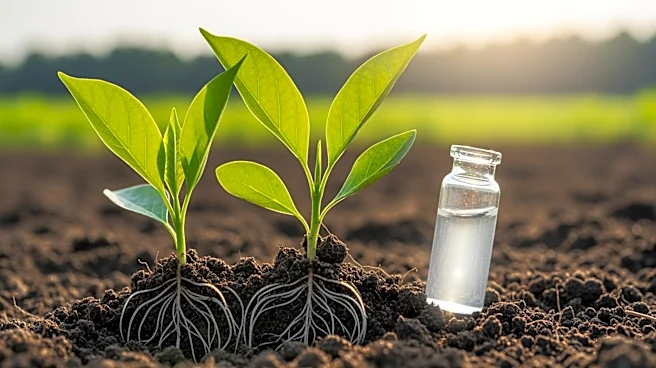
in fertilizer production. This has particularly affected countries like Senegal, where farmers are turning to organic compost and manure. In Brazil, the biofertilizer sector has grown by 15% as farmers look for cost-effective and sustainable solutions. The shift is driven by the need to reduce dependency on chemical fertilizers, which are less effective in tropical climates due to high rainfall and temperatures. The global push towards biofertilizers is also seen in India, where the government is promoting natural farming practices to cut fertilizer use by 50%.
Why It's Important?
The shift towards biofertilizers has significant implications for global agriculture and environmental sustainability. Chemical fertilizers contribute to greenhouse gas emissions, a major driver of climate change. By adopting biofertilizers, farmers can reduce their carbon footprint and improve soil health. This transition also highlights the vulnerability of global agriculture to geopolitical conflicts, as seen with the Iran war's impact on fertilizer prices. The move towards natural farming practices could lead to more resilient agricultural systems, less reliant on fossil fuels. However, the transition requires government support and investment in sustainable practices to be viable on a large scale.
What's Next?
As the conflict in Iran continues, it is likely that more countries will explore biofertilizers as a sustainable alternative. Governments may need to reallocate subsidies from chemical fertilizers to support natural farming practices. This could involve investing in research and development of biofertilizers and providing training for farmers. The success of this transition will depend on the ability of governments and international organizations to support farmers through the transition period, ensuring that they have access to the necessary resources and knowledge.
Beyond the Headlines
The shift towards biofertilizers could have long-term benefits beyond immediate cost savings. It may lead to a more sustainable agricultural model that prioritizes environmental health and reduces dependency on volatile global markets. This transition also raises questions about the role of government subsidies in agriculture and the need for policies that support sustainable practices. The move towards biofertilizers could also drive innovation in agricultural technology, leading to new products and methods that enhance crop yields while minimizing environmental impact.