



What's Happening?
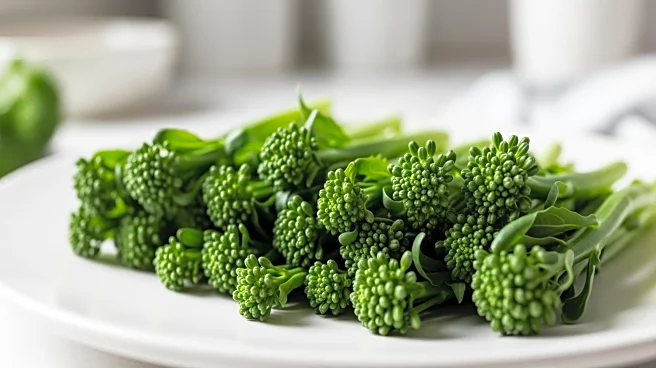
Recent research highlights the potential health benefits of broccoli sprouts, particularly in managing blood sugar levels. These sprouts, rich in glucoraphanin, convert to sulforaphane, which is known for its antioxidant and anti-inflammatory properties.
The study suggests that broccoli sprouts may help lower blood sugar levels, especially in individuals with certain beneficial gut bacteria like Bacteroides and Bifidobacterium. The sprouts are typically consumed raw, preserving their active enzymes, which enhances their health benefits. Experts like Amy Kimberlain and Vandana Sheth emphasize the sprouts' potential in supporting metabolic health, particularly for those with prediabetes or insulin resistance.
Why It's Important?
The findings on broccoli sprouts could have significant implications for dietary recommendations, particularly for individuals at risk of diabetes. By potentially lowering blood sugar levels, these sprouts offer a natural dietary intervention that could complement existing medical treatments. The study also underscores the importance of gut health, as the benefits of broccoli sprouts are more pronounced in individuals with a diverse gut microbiome. This could lead to increased interest in gut health and its role in managing chronic conditions like diabetes, influencing both healthcare practices and consumer dietary choices.
What's Next?
Further research is likely to explore the specific interactions between gut bacteria and broccoli sprouts, potentially leading to personalized dietary recommendations based on an individual's microbiome. Additionally, the food industry might see an increase in demand for broccoli sprouts and related products, prompting more availability in markets. Healthcare providers may also begin to incorporate these findings into dietary advice for patients with metabolic health concerns.
Beyond the Headlines
The study highlights a growing interest in plant-based nutrition and its role in chronic disease management. It also points to a broader trend of integrating dietary interventions with traditional medical treatments. As more people become aware of the link between diet and health, there could be a cultural shift towards more plant-based eating habits, potentially impacting food production and agricultural practices.