






What's Happening?
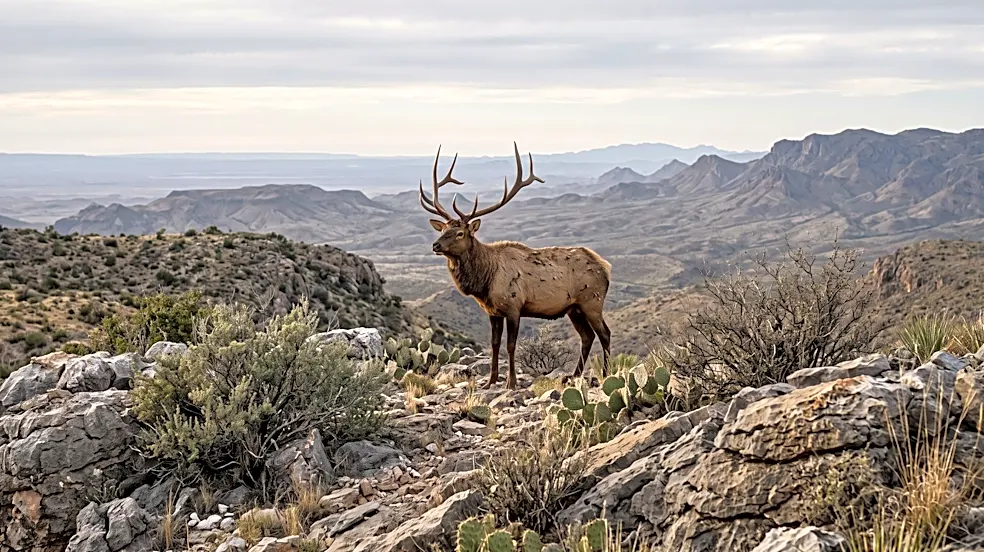
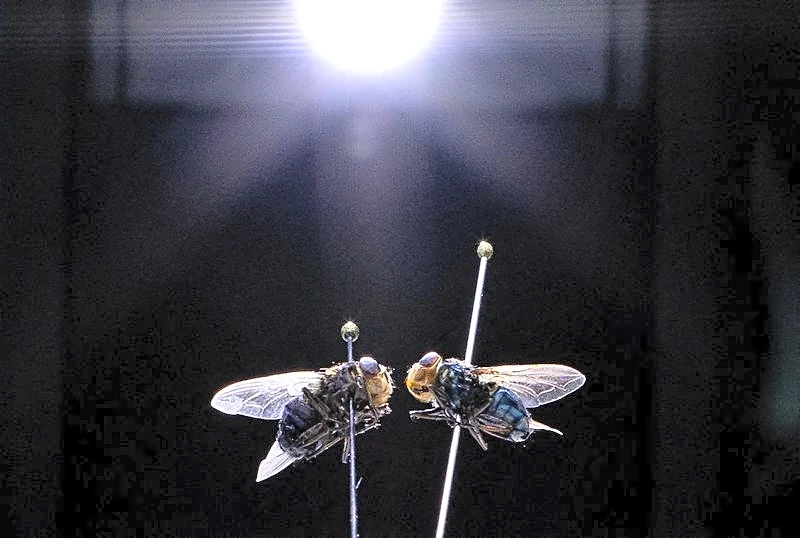
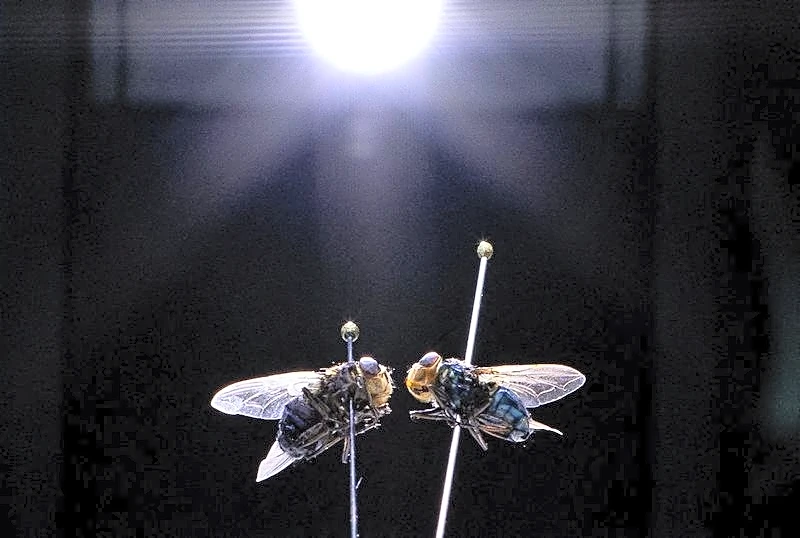
The U.S. Department of Agriculture’s Animal and Plant Health Inspection Service (APHIS) has confirmed the first detection of New World Screwworm (NWS) in U.S. wildlife. The parasitic fly was found in an infested elk in Pecos County, Texas, after a hunter
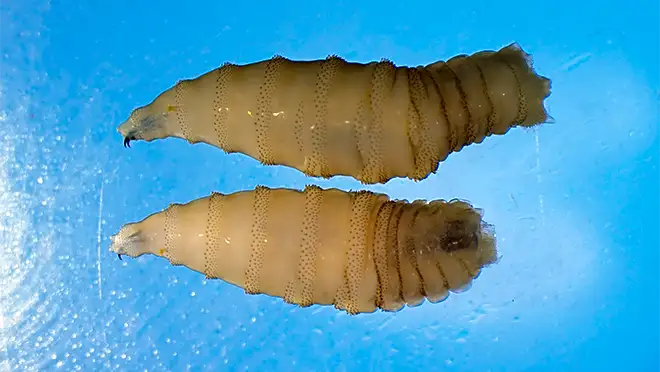
harvested the animal and reported it. NWS is known to lay eggs in open wounds and body openings of warm-blooded animals and humans. Once hatched, the maggots feed on live tissue, causing painful, foul-smelling wounds. The Centers for Disease Control and Prevention (CDC) states that symptoms in animals and humans include visible maggots, worsening wounds, foul odor, and bleeding. APHIS and the Texas Parks and Wildlife Department are conducting additional wildlife surveillance in the area, and the Texas Animal Health Commission will modify an existing infested zone. Hunters and outdoor enthusiasts are credited for their crucial role in early detection efforts.
Why It's Important?
The detection of New World Screwworm in U.S. wildlife poses a significant threat to livestock, pets, and native animal populations. While the CDC reports a very low risk to humans in the U.S. with no confirmed human cases as of October 22, the parasite has infected nearly 3,000 humans in Central America and Mexico. An outbreak could lead to substantial economic losses for the agricultural sector due to livestock illness and death, impacting ranchers and farmers. The presence of NWS could also disrupt wildlife ecosystems, potentially affecting endangered species. The situation highlights the importance of robust surveillance systems and public awareness, particularly among those who spend time outdoors, to prevent further spread and mitigate potential impacts on animal health and the economy.
What's Next?
Following the confirmed detection, the Texas Animal Health Commission is set to modify an existing infested zone in Pecos County. The USDA and the Texas Parks and Wildlife Department will continue conducting extensive wildlife surveillance to determine the extent of the parasite's presence and prevent its spread. Public advisories recommend that individuals outdoors keep wounds clean and covered, wear protective clothing, and sleep indoors or in screened areas to minimize exposure. Authorities will likely focus on containment strategies, including monitoring wildlife and livestock, and educating the public on how to identify and report potential NWS infestations. The ongoing surveillance will be critical in assessing the risk and implementing further control measures.
Beyond the Headlines
The re-emergence of New World Screwworm in the U.S. after decades of eradication efforts underscores the persistent threat of invasive species and the challenges of maintaining biosecurity. This incident highlights the interconnectedness of human activities, wildlife health, and agricultural stability. The reliance on hunters and outdoor enthusiasts for early detection points to the critical role of citizen science and public engagement in national biodefense strategies. Beyond immediate health and economic concerns, a sustained presence of NWS could necessitate long-term control programs, potentially involving significant resource allocation and impacting land use policies in affected regions. The event serves as a reminder of the constant vigilance required to protect domestic ecosystems and economies from foreign pathogens.