








What's Happening?
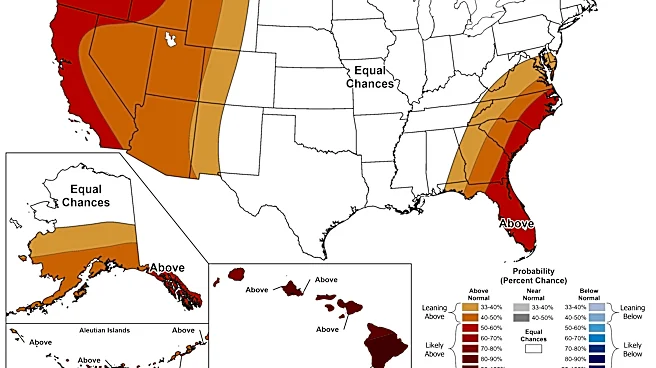
A significant heat dome is forming over the United States, expected to bring intense heat to more than half of the country as the summer progresses. According to AccuWeather meteorologist Alex Sosnowski, a multiday heat wave is anticipated to expand from
the Plains to the Midwest and into the East, coinciding with the Fourth of July weekend. The National Oceanic and Atmospheric Administration's Weather Prediction Center forecasts widespread above-average temperatures due to a strong upper-level ridge of high pressure, commonly referred to as a heat dome. This phenomenon will likely result in temperatures reaching the 90s as far north as the Great Lakes and Minnesota, with parts of Texas experiencing temperatures in the 100s. Heat indices could approach 110 degrees in areas from the mid-South to the central Gulf Coast. The heat dome is expected to center on the Ohio Valley, the middle Mississippi Valley, and the Tennessee Valley, with the potential to expand to the Plains, Great Lakes, East, and Gulf Coast.
Why It's Important?
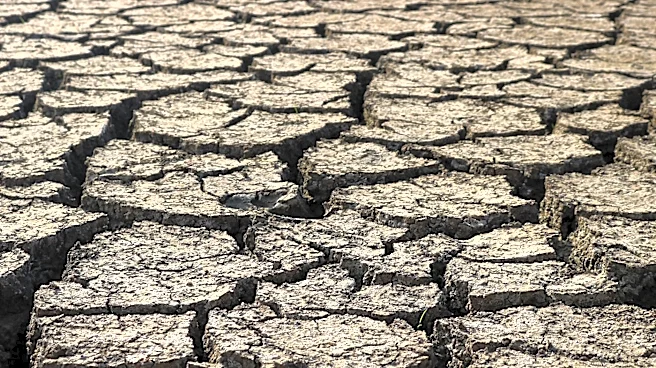
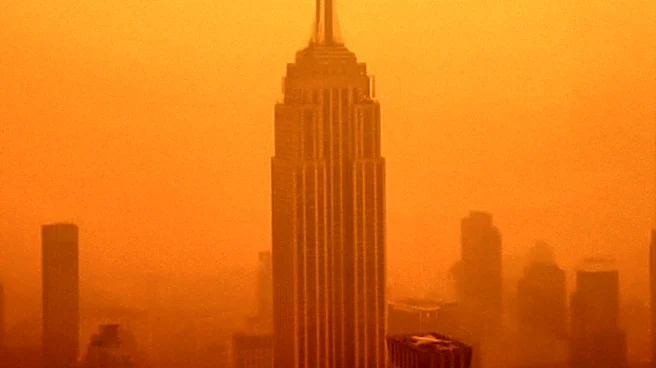
The development of a heat dome has significant implications for public health, agriculture, and energy consumption across the United States. Prolonged exposure to high temperatures can lead to heat-related illnesses, particularly affecting vulnerable populations such as the elderly and those without access to air conditioning. The agricultural sector may face challenges as crops and livestock endure the stress of extreme heat, potentially impacting food supply and prices. Additionally, increased energy demand for cooling could strain power grids, leading to potential outages and higher utility costs for consumers. The heat dome also raises concerns about the risk of wildfires and drought conditions, which can have long-term environmental and economic consequences.
What's Next?
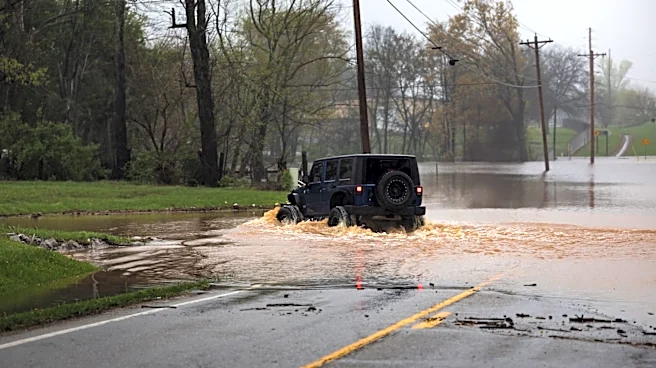
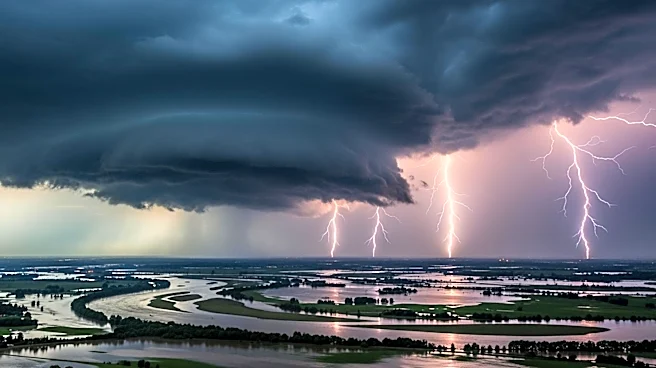
As the heat dome persists, meteorologists predict that the core of the heat will shift westward by mid-July. In the meantime, regions affected by the heat dome should prepare for continued high temperatures and potential severe weather events, including thunderstorms with damaging winds and flooding. Public health officials may issue advisories to mitigate the impact of the heat, urging residents to stay hydrated, limit outdoor activities, and check on vulnerable neighbors. Energy providers may implement measures to manage increased demand and prevent outages. The situation will require ongoing monitoring and adaptation by communities and industries to address the challenges posed by the extreme weather conditions.