




What's Happening?
Casper, Wyoming, is bracing for a significant heat wave this weekend, with temperatures expected to reach potentially record-setting highs. According to the National Weather Service in Riverton, a heat advisory will be in effect from noon on Saturday
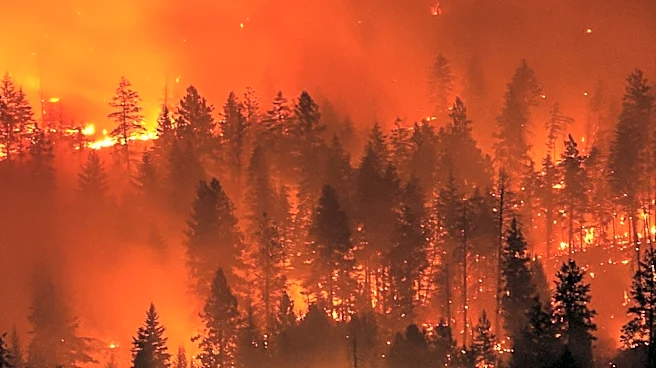
through Sunday night, with temperatures possibly climbing to 105 degrees in some areas. On Friday, the temperature is expected to reach the mid-90s, accompanied by slight chances of afternoon showers or thunderstorms and hazy conditions due to smoke from western wildfires. Saturday's high is forecasted at 97 degrees, while Sunday could see temperatures soar to 103 degrees under clear skies. Mild breezes are expected on Saturday, with Sunday potentially experiencing gusts around 20 mph. Overnight lows will remain in the upper 60s. The heat is anticipated to subside by Monday and Tuesday, with highs in the mid- to upper 80s, but could return midweek with temperatures again reaching the mid- to upper 90s.
Why It's Important?
The anticipated heat wave in Casper is significant due to its potential impact on public health and safety. High temperatures can lead to heat-related illnesses, particularly among vulnerable populations such as the elderly and those with pre-existing health conditions. The heat advisory serves as a warning for residents to take precautions, such as staying hydrated and avoiding prolonged exposure to the sun. Additionally, the heat wave could strain local infrastructure, including power grids, as demand for air conditioning increases. The presence of smoke from wildfires further complicates the situation, potentially affecting air quality and exacerbating respiratory issues. This weather event underscores the importance of preparedness and community awareness in mitigating the risks associated with extreme heat.
What's Next?
As the heat wave approaches, local authorities and residents are likely to take measures to cope with the extreme temperatures. This may include opening cooling centers for those without access to air conditioning and issuing public advisories on how to stay safe during the heat. The National Weather Service will continue to monitor the situation and provide updates as necessary. Looking ahead, the potential return of high temperatures midweek suggests that residents should remain vigilant and prepared for ongoing heat challenges. The situation also highlights the need for long-term strategies to address the impacts of extreme weather events, which may become more frequent due to climate change.