



What's Happening?
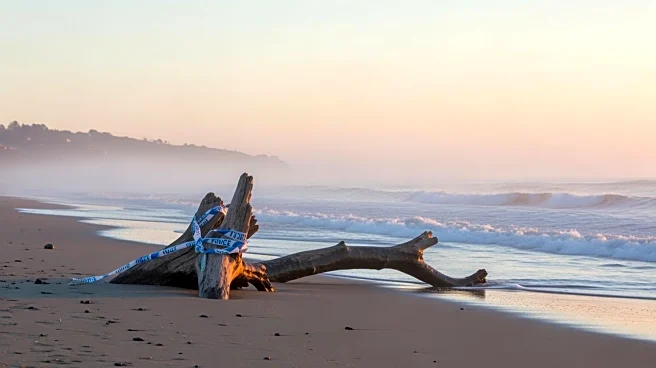
Human remains discovered by a family searching for seashells on a California beach have been identified as those of Walter Karl Kinney, a banker who went missing nearly three decades ago. Kinney disappeared in 1999 from Santa Rosa, California, and was
last seen in August of that year. The identification was made possible through the efforts of the DNA Doe Project, a nonprofit organization that uses genetic genealogy to identify unknown remains. The remains were initially found in 2022 at Salmon Creek Beach, and the identification process involved matching DNA profiles and reviewing historical news articles. Kinney's case was complicated by his history of alcoholism and legal issues, which had led to periods of estrangement from his family.
Why It's Important?
The identification of Kinney's remains brings closure to a decades-old mystery and highlights the advancements in forensic science and genetic genealogy. This case underscores the potential of these technologies to solve cold cases and provide answers to families who have been left in uncertainty for years. The successful identification also demonstrates the value of collaboration between law enforcement and nonprofit organizations in addressing missing persons cases. Furthermore, it raises awareness about the challenges faced by individuals with histories of addiction and legal troubles, and the impact these issues can have on family relationships and personal safety.